News - Зимнее обновление Tesla Cybercab вызвало дебаты
Business Strategy
Зимнее обновление Tesla Cybercab вызвало дебаты
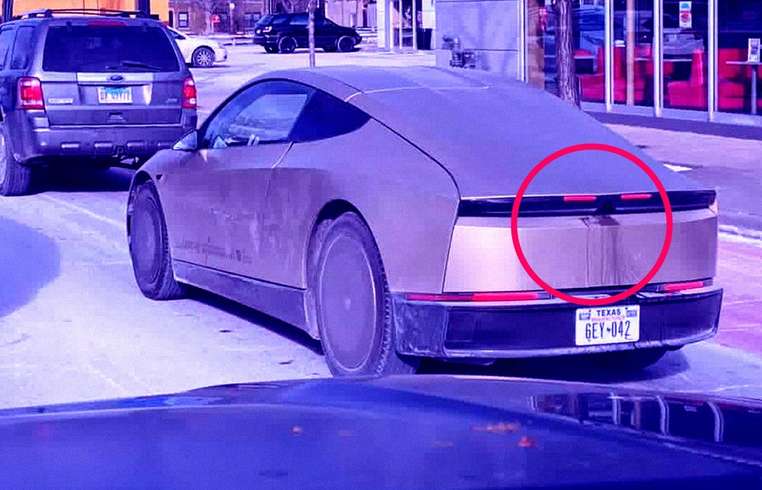
In the face of harsh winter conditions, Tesla is making moves to ensure the reliability of its autonomous Cybercab vehicles. With a dedicated rear-facing camera washer, the company is aiming to maintain clear sensor visibility in inclement weather. This crucial feature was observed during a recent sighting of a prototype in Chicago, a city notorious for its severe winters. The strategic design enhancement underscores Tesla's commitment to expanding its autonomous ride-hailing fleet nationwide, targeting cities like Las Vegas, Phoenix, Dallas, Houston, and Miami. Despite this innovation, Tesla's broader electric vehicle (EV) lineup has not yet benefited from such enhancements, leaving some customers frustrated. Automotive journalist Sawyer Merritt highlighted this gap on social media, emphasizing demand among Tesla owners, particularly in regions with severe snowy conditions. Many other automakers have already equipped their vehicles with similar features, raising questions about Tesla's priorities. Tesla first introduced the Cybercab at an event in October 2024, drawing mixed reviews due to its unique design and practicality concerns. Featuring only two passenger seats, the model's anticipated price and promises of wireless charging left critics skeptical. Originally planned for production by 2027, Tesla now aims for volume production by 2026, according to revelations from a recent Q3 earnings call. CEO Elon Musk expressed confidence in achieving a high safety level for unsupervised full self-driving technology. However, the current state of Tesla's EV software continues to pose challenges, with instances of collisions and near-misses under optimal weather conditions still prevalent. Overcoming these hurdles is essential for rolling out autonomous services in regions experiencing extreme conditions, such as icy roads and salt-covered surfaces, that could impair sensor functionality. For Tesla, maintaining antifreeze levels and addressing these technical challenges is critical, especially if it wishes to lead the charge in autonomous transportation under diverse weather scenarios. The path forward involves balancing ambitious goals with practical execution, an endeavor that could dictate Tesla's future in the rapidly evolving automotive industry. In related developments, Tesla recently lost the trademark for 'Cybercab,' adding another layer of complexity to its ambitious journey into the autonomous market.
About usyoo

Categories
Tags