News - Սառեցված միջնորդագրականոնադարձությունը Սան Ֆրանցիսկոյի գիշերային դպրոցական պրոֆեսորին՝ կանխարգելիչ վերահսկողության շուրջ մեջքելով բանավեճ
Business Strategy
Սառեցված միջնորդագրականոնադարձությունը Սան Ֆրանցիսկոյի գիշերային դպրոցական պրոֆեսորին՝ կանխարգելիչ վերահսկողության շուրջ մեջքելով բանավեճ
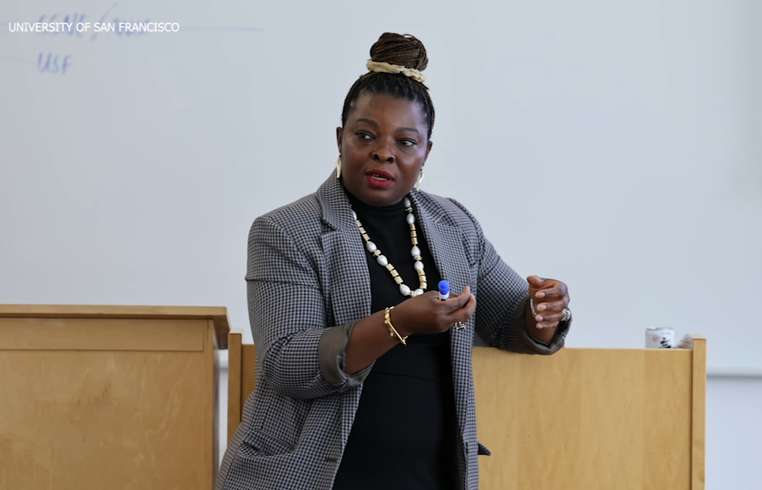
A nursing professor at the University of San Francisco, Dr. Ann Lawani, has found herself embroiled in a contentious immigration legal battle after being taken into custody by ICE agents outside her Lodi, California home. Despite possessing a federal court order that should have protected her from deportation to Nigeria, Dr. Lawani has spent nearly two months navigating the complexities of the U.S. immigration system. The arrest occurred on the morning of September 16 and marked the start of a turbulent journey through various holding facilities, culminating at a processing center in Louisiana. Throughout this process, Dr. Lawani maintained her innocence through text messages sent to her dean, Dr. Eileen Fry-Bowers, explaining the unexpected nature of her detention. The news of her arrest rippled through academic circles, garnering support from faculty, students, and other supporters who decry the lack of due process. A petition, along with a GoFundMe campaign, was quickly launched to advocate for Dr. Lawani's release and bring further attention to her situation. A statement issued by the Department of Homeland Security revealed that Lawani had legally arrived in the U.S. on June 7, 2007, but stayed beyond her visa expiration date of July 6, 2007. This violation, authorities argue, justified her detention. However, her supporters, including U.S. Representative Josh Harder, have publicly questioned the logic behind ICE's actions. They argue that focusing on Dr. Lawani, a respected educator and sole caregiver to her elderly father, blatantly contradicts ICE's stated intent to prioritize the deportation of criminals. Rep. Harder has been vocal in his criticism, urging Homeland Security to consider the lack of threat Dr. Lawani poses to public safety. Her contributions to the healthcare and educational fields, along with her clean criminal record, form the foundation of arguments supporting her release. As the situation unfolds, attention surrounding the case continues to grow. With calls for her release growing louder, Dr. Lawani’s case may set a precedent for how similar immigration cases are handled in the future, particularly those involving individuals with deep community ties and no criminal history.
About usyoo

Categories
Tags