News - Ժողովրդավարության առողջությունը կասկածի տակ է դրվում, այնուամենայնիվ ընտրությունները անարգել ընթանում են
Business Strategy
Ժողովրդավարության առողջությունը կասկածի տակ է դրվում, այնուամենայնիվ ընտրությունները անարգել ընթանում են
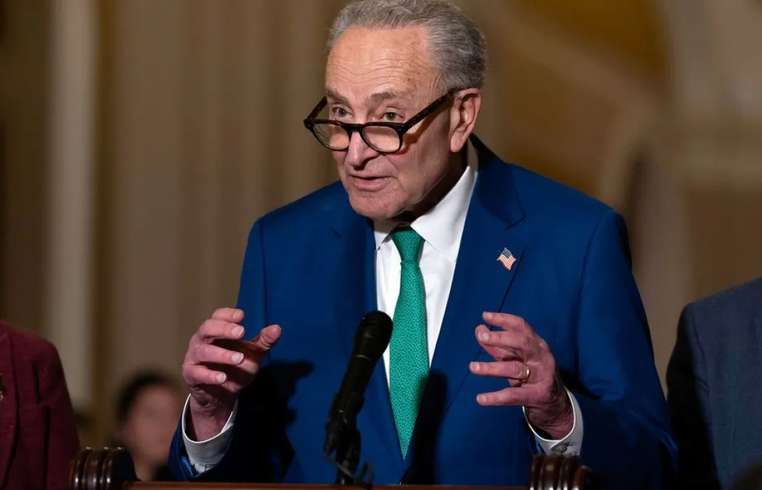
Amid a highly charged political atmosphere, concerns about the state of American democracy primarily emanated from the Democratic side, sparking a robust turnout in favor of the party. Exit polls reveal a striking trend: 80% of voters who deemed the state of democracy as the most critical issue facing the country chose the Democratic ticket, as opposed to 19% casting their ballots for Republicans. This underscores the notion that anxiety about the democratic system is a sentiment heavily held among Democratic voters. While some Democratic leaders, including Senate Minority Leader Chuck Schumer, raised alarms about former President Donald Trump's alleged authoritarian tendencies and speculated about potential disruptions to the electoral process, these fears ultimately proved unfounded. Despite stark predictions that Trump might attempt to manipulate or even cancel the midterms, the electoral process unfolded smoothly, culminating in a substantial victory for the Democrats. The party secured close to 260 seats in the House and 56 in the Senate, reinforcing their control in Congress. This outcome not only surprised many political observers but also challenged the narrative of democracy being under siege. Public discourse, amplified by media outlets and scholars, often painted a picture of democracy teetering on the edge, with figures like Schumer and Massachusetts Representative Seth Moulton suggesting drastic scenarios that never transpired. In a reflective piece, the New York Times questioned whether the midterm elections served as a lifeline for democracy, suggesting that fears of its demise might have been exaggerated. Writer Emily Bazelon posited that the democratic system in the U.S. remains robust, capable of withstanding the challenges posed by individual politicians. The elections' results indicate that the Democratic strategy of highlighting existential threats to democracy proved effective in mobilizing their base. By drawing attention to perceived vulnerabilities within the system, Democrats managed to galvanize a formidable voting bloc, which has now led to a political landscape where they hold significant legislative power. Ultimately, despite the rhetoric and apprehensions leading up to the elections, the process demonstrated the enduring resilience of American democratic practices and institutions. The lessons from these events suggest that while fear can be a potent motivator in politics, the underlying strength of democracy remains unshaken.
About usyoo

Categories
Tags