News - Աշխարհի ավտոմեքենայի սեփականության միտումներ. Իտալիան առջևում է ավտոմեքենաներ ունեցող ընտանիքների ամենաբարձր ցուցաբերով
Business Strategy
Աշխարհի ավտոմեքենայի սեփականության միտումներ. Իտալիան առջևում է ավտոմեքենաներ ունեցող ընտանիքների ամենաբարձր ցուցաբերով
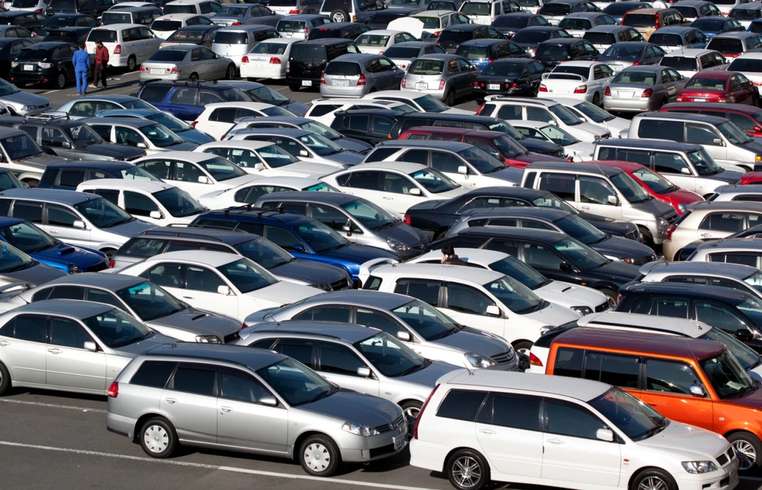
Car ownership serves as a significant indicator of economic development and lifestyle across various countries. Recent global surveys reveal that approximately 35% of households worldwide possess a vehicle, with notable variations in ownership rates depending on geographic location. According to a comprehensive survey conducted by the Pew Research Center, Italy emerges at the forefront, with an impressive 89% of households reporting car ownership. The United States closely follows, with 88% of households owning a vehicle, showcasing slight differences in lifestyle and economic conditions. Further down the list, Germany secures the third position at 85%, highlighting its robust automotive industry and economic prowess. France and South Korea share the fourth spot, each with an impressive 83% of households owning cars, reflecting both nations' economic status and cultural attitudes towards mobility. Malaysia, noted for its developing economy, showcases strong car ownership at 82%, slightly trailing behind but maintaining a significant presence. Meanwhile, Japan's advanced technological landscape sees 81% car ownership, further emphasizing its public transportation infrastructure's complementary role. In the Middle East, Lebanon records a notable 81%, while Spain and Greece register at 79% and 76% respectively, reflecting differing economic challenges and mobility needs. This diverse array of car ownership rates underscores significant economic and cultural factors influencing personal vehicle utilization across different global regions. The overarching trend highlights how essential cars remain to contemporary livelihoods, impacting everything from work commutes to leisure activities, and shaping the socio-economic fabric of various nations.
About usyoo

Categories
Tags