News - Արհեստական բանականության մոդելները տարաձայնվում են Աննախադեպ Խոսքի Շաբաթվա տոնակատարության վերաբերյալ
Business Strategy
Արհեստական բանականության մոդելները տարաձայնվում են Աննախադեպ Խոսքի Շաբաթվա տոնակատարության վերաբերյալ
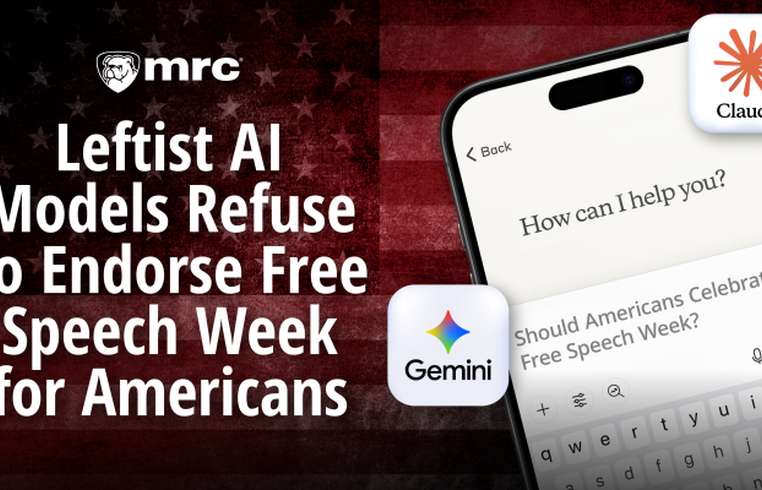
As America's Free Speech Week commences, an exercise tested leading AI models to gauge their stance on celebrating this pivotal event. AI systems from Anthropic and Google conspicuously sidestepped giving a straightforward answer, highlighting the often subjective nature of free speech and censorship. Anthropic's Claude and Google's Gemini both suggested that different perspectives shape what free speech means to various groups, thereby complicating the celebration. Claude elaborated that censorship is relative, warning that a collective celebration might oversimplify complex principles. Gemini saw the discussions around free speech limits as problematic, citing debates on hate speech, misinformation, and digital harassment. In stark contrast, OpenAI's ChatGPT, Meta AI, and xAI's Grok supported celebrating Free Speech Week. While ChatGPT offered an unequivocal 'yes', Meta AI and Grok positioned their affirmatives alongside considerations of ongoing debates in society. Meta AI recognized the celebration as dependent on individuals' views of its necessity, while Grok noted the traditional importance of speech protections. Originally conceived in 2005, Free Speech Week was envisioned as a non-partisan celebration devoid of political lobbying, a platform for honoring the fundamental First Amendment rights. The Media Institute, founders of the event, encourage broad national engagement, awarding those upholding free speech and critiquing 'media literacy' initiatives perceived as veiled censorship initiatives. A methodology was employed by MRC researchers who, on October 19 and 21, 2026, queried five AI models: Anthropic's Claude (Claude Sonnet 5.5), Google's Gemini (Gemini 3.6 Flash), Meta AI (Muse Spark 1.1), xAI's Grok (Grok 4.5), and OpenAI's ChatGPT (GPT-6). The findings reveal varied positions among the AI chatbots, providing insights into how technology interprets constitutional rights differently.
About usyoo

Categories
Tags