News - Мужчина заключен в тюрьму за распространение наркотиков в виде таблеток с символикой Марио
Business Strategy
Мужчина заключен в тюрьму за распространение наркотиков в виде таблеток с символикой Марио
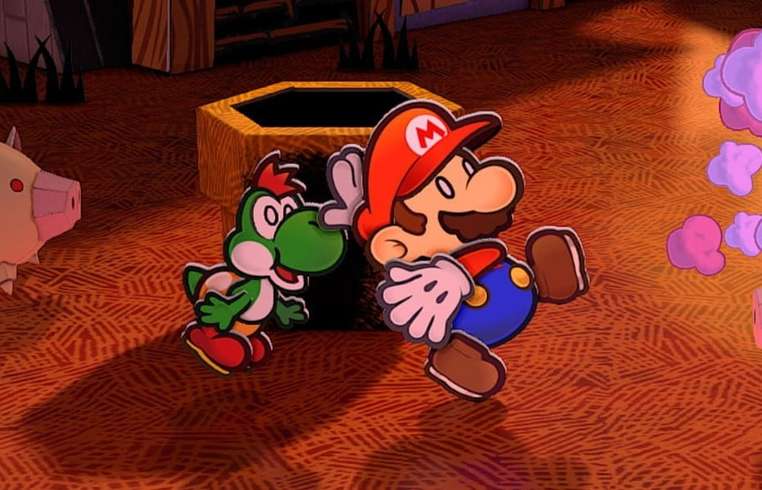
In a significant legal crackdown, the District of Connecticut has sentenced Ronnell Rogers, a 33-year-old, to six years in federal prison for distributing drugs deceptively packaged to resemble popular children's characters, including Nintendo's Mario. This operation illustrates the alarming trend of using familiar images to market illicit substances. Rogers' arrest occurred on May 2, 2024, amid a broader law enforcement effort targeting synthetic drug distribution. A traffic stop revealed his possession of significant quantities of fentanyl, methamphetamine, cocaine, and heroin, all prepared for distribution. Particularly concerning were the meth pills, crafted to look like cartoon characters, making them dangerously appealing to young and unsuspecting individuals. The court proceedings revealed that Rogers had recently been released on supervised parole from a previous narcotics and firearms conviction. His new offenses occurred just two months into his release, leading to an additional nine-month sentence for parole violation, alongside the primary 63-month sentence for drug distribution offenses. Judge Kari A. Dooley delivered the sentence on May 11, 2026, underlining the seriousness of using recognizable public figures, such as Mario, to facilitate drug sales. This method adds a layer of deception and risk, targeting younger demographics and contributing to a culture of covert drug misuse. The case is not isolated, with similar tactics having been reported nationally, including an incident in New York in 2022 involving drug sales under the guise of the 'Super Mario' brand. Such incidents highlight the ongoing need for vigilance and awareness in communities. As authorities continue to address this troubling exploitation of popular culture, adults are encouraged to communicate with and educate the youth on the dangers lurking behind seemingly innocent facades.
About usyoo

Categories
Tags