News - Недавно обнаруженный казахстанский ночной вид бабочек назван в честь историка
Business Strategy
Недавно обнаруженный казахстанский ночной вид бабочек назван в честь историка
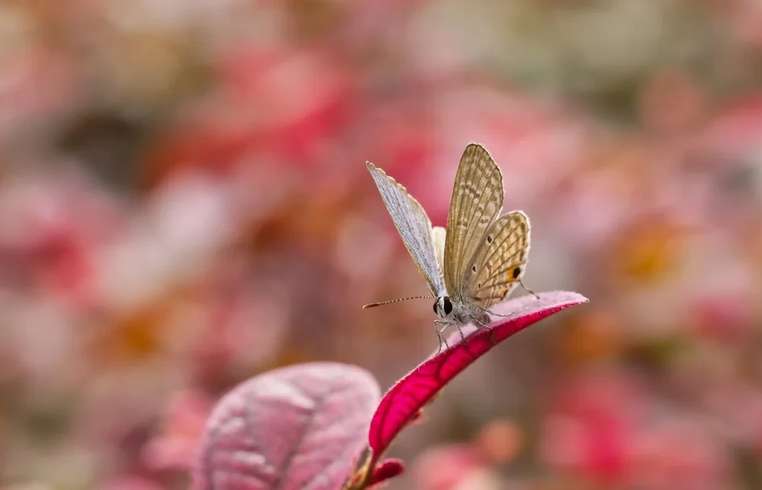
In a remarkable finding from the Arkalyk mountains in Eastern Kazakhstan, researchers have identified a previously unknown species of nocturnal butterfly. This discovery adds a unique entry to Kazakhstan's biodiverse landscape and is a testament to the unexplored richness of the region's fauna. The butterfly, which has been scientifically named Scythobrya kozybayevi, is a tribute to the distinguished Kazakh historian and academic, Manash Kozybayev, whose contributions to Kazakh history and culture remain exemplary. The species was discovered by a team engaged in a pivotal exploration aimed at cataloging the varietal life forms indigenous to the area. The findings of this endeavor have been compiled in the renowned Entomological Studies journal, an internationally recognized publication that documents advancements in the field of entomology. The butterfly's naming coincides with the 95th anniversary of Manash Kozybayev's birth, thereby commemorating his impactful legacy. Notably, this discovery highlights the significant role that universities play in contributing to scientific knowledge and expanding global biodiversity records. It emphasizes the importance of collaboration among scientists, which can lead to groundbreaking discoveries that deepen our understanding of Earth's myriad life forms. The research was conducted under the guidance of North Kazakhstan University, whose dedication to environmental studies and regional research has continually put them at the forefront of notable scholarly achievements. Dr. Filiz Aydin, the lead researcher, stated that the study involved meticulous fieldwork aimed at identifying underexplored species in secluded mountain areas. This successful identification of a new species opens doors to further ecological and environmental studies in the region, potentially yielding additional findings of significant scientific interest in the coming years. The Scythobrya kozybayevi displays unique morphological characteristics that distinguish it from other species within the same family, and its discovery paves the way for further taxonomical and ecological analyses crucial for the conservation of Kazakhstani natural heritage. This development underscores the need for ongoing research and conservation efforts to preserve the rich biodiversity within Kazakhstan's diverse ecosystems.
About usyoo

Categories
Tags