News - Древнее перуанское захоронение обнаруживает аномалию циклопию
Business Strategy
Древнее перуанское захоронение обнаруживает аномалию циклопию
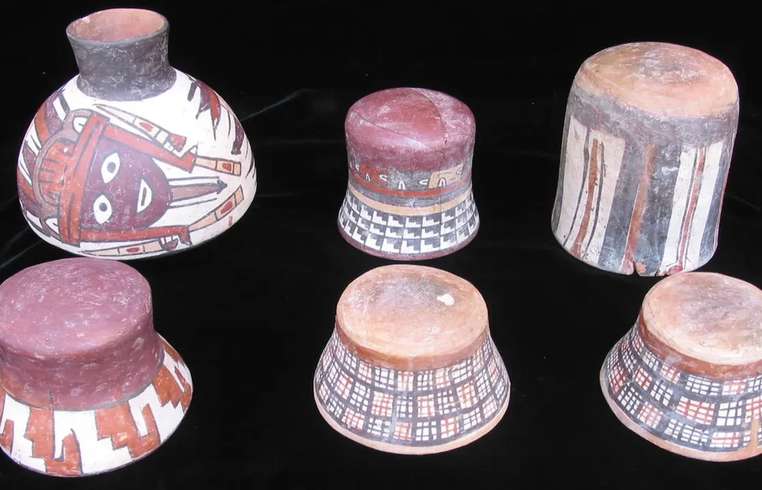
A team of Peruvian archaeologists has uncovered a remarkable discovery within an ancient burial site that dates back over 1600 years. The excavation, part of a comprehensive archaeological study, revealed the skeletal remains of a newborn infant exhibiting a rare congenital condition known as cyclopia, characterized by a single eye socket located in the middle of the skull. The condition was determined to be the result of a genetic mutation, confirmed through meticulous DNA analysis led by experts at the PNAS institution. Accompanying the anomalous child were meticulously crafted Nazca ceramic artifacts, which are culturally significant within the region of today's western Peru. The rare phenomenon of cyclopia, which is often considered a symbol of myth and folklore, has gained renewed interest due to the unique historical context provided by this find. Geneticists have expressed admiration for the precision of the DNA analysis, which highlighted a distinct chromosomal anomaly leading to the infant's condition, a revelation paramount for understanding genetic failures in ancient human history. The burial itself was noteworthy; the child was interred within a large ceramic vessel alongside another infant who exhibited no such anomalies. The geometry and craftsmanship of the ceramics suggest ceremonial significance, characteristic of the rich Nazca tradition, which flourished in the southern coast of Peru between the first and seventh centuries CE. Further investigations into the two infants and their burial site have revealed contrasting genetic backgrounds, each having different maternal lineages, suggesting a calculated and possibly symbolic burial practice. This finding implies complex cultural rituals associated with birth defects, challenging previously held assumptions about ancient society's views on congenital anomalies. Using state-of-the-art genomic techniques, researchers have also detected subtle traces of traditional herbal residues within the surrounding soil—substances plausibly used for embalming or ritualistic purposes. The significance of these findings may extend beyond the individual burial, offering glimpses into the societal infrastructure, craftsmanship, and prevailing beliefs of the ancient Nazca civilization. Archaeologists, geneticists, and historians continue to collaborate on this project, driven by the potential revelations about ancient practices and their implications for modern-day understanding of congenital disorders. This exceptional discovery not only enriches the narrative of the Nazca people but also contributes to the broader tapestry of human history, affirming the universal and timeless quest for understanding the abnormalities found within the human condition.
About usyoo

Categories
Tags