News - Древняя фигурка шаманки найдена в Японии
Business Strategy
Древняя фигурка шаманки найдена в Японии
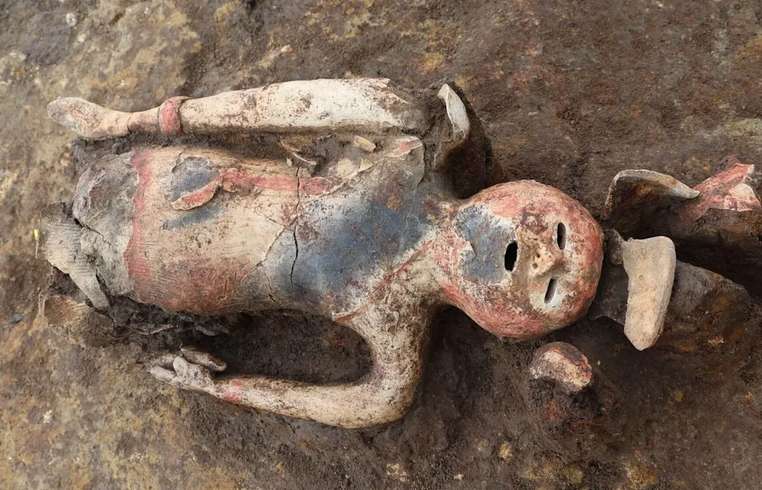
In a remarkable discovery, archaeologists have uncovered a 1,600-year-old clay figurine believed to represent a shamaness from the Kofun period. The figurine was found at the Nishikaminomiya site located northwest of Tokyo. This site has yielded numerous artifacts that date back to an era known for its distinctive burial mounds and rich cultural symbolism. The partially preserved statuette is notable for its detailed depiction of a woman sporting the traditional Shimada hairstyle, which was habitually worn by women of high status in ancient Japan. The woman is shown clutching a staff-like object, believed to serve as a symbol of her spiritual role in shamanic rituals. Shamans in Japan during this period were vital cultural figures who guided spiritual practices and were deeply integrated into the royal courts. Their connection to the divine and the natural world was demonstrated through their ability to conduct ceremonies that included dance, music, and prayers to communicate with the spirits. The depiction of the figurine signifies the importance of shamanesses in mediating between humans and spiritual entities, highlighting their crucial role in societal and spiritual life. This unique object is also an exceptional example of artistry from the Kofun period, showcasing intricate designs and cultural motifs that offer a glimpse into the sophisticated craftsmanship and aesthetics of this time. The discovery provides valuable insights into the religious practices and societal structures prevalent in ancient Japan. The Gunma Prefecture's archaeological research center is currently exhibiting the figurine, providing a platform for the public and scholars to explore and understand the broader implications of this era and its spiritual practices. The findings augment the knowledge about the cultural and religious dynamics during the Kofun period, enriching our understanding of historical Japan's social fabric and religious intricacies.
About usyoo

Categories
Tags