News - Пластик: Большинство теряется в речных системах Европы, выяснило исследование
Business Strategy
Пластик: Большинство теряется в речных системах Европы, выяснило исследование
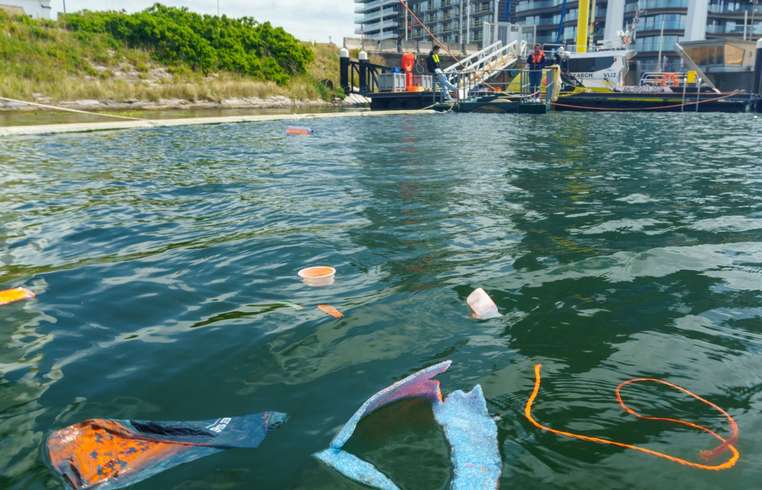
A comprehensive study conducted by Wageningen University and research center in the Netherlands has provided insightful revelations about waste management in Europe. Published in the prestigious journal Environmental Science & Technology, the research measures the journey of plastic waste within the continent and its eventual fate. According to the findings, a mere 0.6% of the plastic waste manages to travel through river systems to settle at river mouths across Europe. Alarmingly, a staggering 93% of such waste remains trapped on the land, while approximately 6% continues to exist within the river networks themselves. Highlighting data from 2015, the study mentions that about 3.55 million tonnes of plastic were introduced into the environment across Europe strictly for that year. Astonishingly only about 20,000 tonnes of this made it to the sea, underlining a critical interception of waste before it could contribute to marine pollution. The report stresses the importance of broadening the scope of plastic waste management strategies to not only focus on deterring plastics from reaching the sea but also examining their curtailment within river systems. The environmental harm tied to plastic waste is not novel, however, the research showcases how significant portions of these plastics are intercepted by existing land-based and riverine repositories—the plastic settles in more local and controlled environments rather than exponentially increasing global marine plastic pollution. The comprehensiveness of the undertaken research further identifies the urgency needed to better manage landside waste and enhance the dynamics of river systems in capturing and recycling plastic waste. Similarly, the report emphasized how localized waste collection could serve to immensely reduce potential wastage spilling into the expansive marine ecosystem. Professor Miranda Stiborran, the lead researcher, commented that the current approach to tackling global marine pollution is noteworthy yet ineffective until measures also address plastic waste retained within terrestrial and river environments. Crucially, the findings point towards a promising pathway for enhancing waste management practices that help in reducing total plastic influx into water bodies—at its source.
About usyoo

Categories
Tags