News - Обрушение ледника на границе Непала и Тибета привело к трагедии
Business Strategy
Обрушение ледника на границе Непала и Тибета привело к трагедии
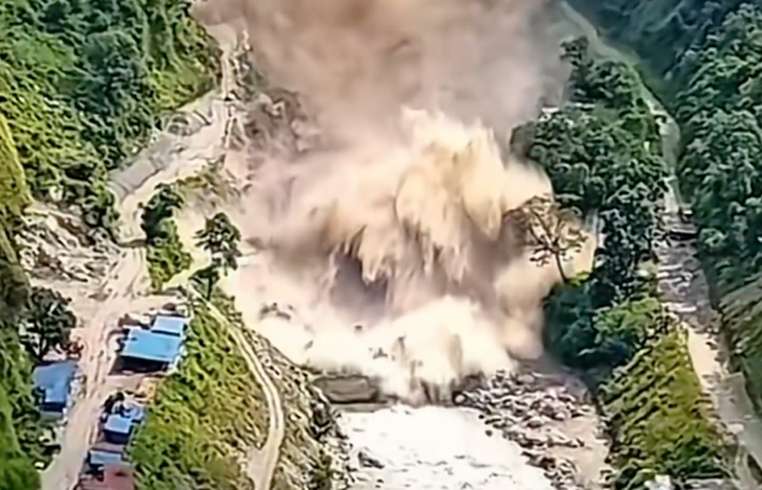
In an unprecedented natural disaster, a glacier collapse along the Nepal-Tibet border has resulted in a devastating flash flood, impacting thousands of lives. As of the latest reports, over 2,000 individuals are missing, including 90 American citizens, and the death toll has tragically surpassed 600 people. The catastrophic event began at an altitude of approximately 5,200 meters when a massive section of ice and rock broke away, dramatically descending about 1,200 meters and triggering a powerful rush of debris and water down the Lende River valley. Satellite imagery vividly captures the scale of the disaster, showcasing the enormous segment of the glacier that has given way and exposing the significant geological scars it has left in its path. Experts suggest that this natural calamity bears a chilling resemblance to fictional disaster scenarios previously depicted in movies. Rescue operations, now entering their fourth day, face severe challenges. Adverse weather conditions have grounded Nepalese military helicopters, and crews face obstacles presented by deep mud and unstable terrain. Current rescue efforts focus on areas like the Trishuli 3A hydropower project, where over 100 individuals are believed to be trapped within a tunnel that the floodwaters have filled with debris. In response to the calamity, the U.S. government, led by Secretary of State Marco Rubio, has offered to deliver humanitarian assistance valued at $500,000. This aid, coordinated through Catholic Relief Services, aims to address the urgent needs for emergency shelter, sanitation, and essential relief supplies. Furthermore, this tragedy unfolds against a backdrop of profound spiritual significance. The Guardian reports that many of the missing Americans were participating in a religious pilgrimage to Mount Kailash. This sacred site is venerated by several major world religions, including Hinduism and Buddhism. As the scale of the tragedy continues to unfold, there is increasing concern that the number of casualties will increase further. Local officials in Nepal are reporting a steady influx of bodies to morgues across several districts, including Tanahun, Nawalparasi East, and Dhading, highlighting the full impact of the event. The backdrop of this unfolding disaster serves as a somber reminder of the ongoing vulnerability of mountain communities to the increasing frequency and intensity of natural disasters driven by climate change.
About usyoo

Categories
Tags