News - Выборы на Аляске: Распутывание Хаоса и Путаницы
Business Strategy
Выборы на Аляске: Распутывание Хаоса и Путаницы
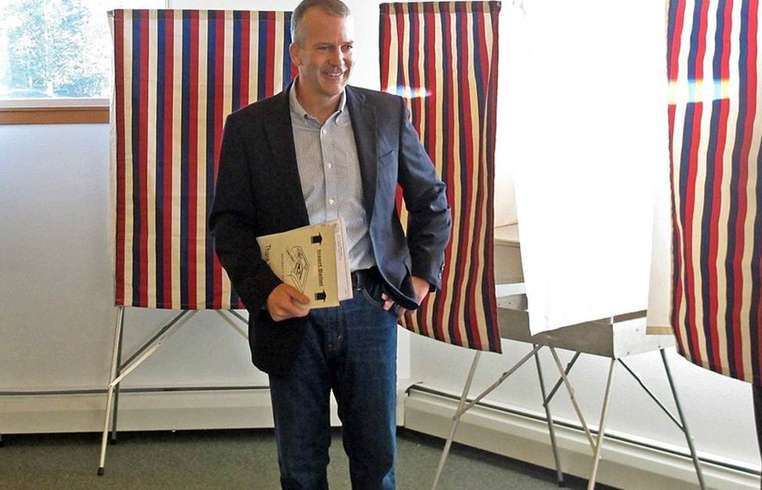
Alaska's electoral system is a labyrinthine process marked by two vastly different stages—the primary and general elections—each governed by distinct rules. Initially, candidates from all political spectrums compete head-to-head in a primary where voters cast a single vote. The top four candidates then progress to the general election, unleashing a unique ranked-choice voting system. In this phase, voters rank all four candidates, and counting occurs in rounds where the weakest contender is eliminated, with their votes redistributed. Since 2022, this system has led to a recurring spectacle of complexity. In recent elections, there have been 17 aspirants for governor, 16 for the U.S. Senate, and 15 for the solitary House seat. The chaos is compounded by Alaska's lenient filing requirements, the most relaxed in the nation. For a mere $100 fee without the need for petition signatures, anyone can vie for office. This encourages less-than-serious contenders to enter the political fray, guaranteeing them a spot on the ballot alongside renowned figures and free publicity. Notably, the House race features Eric Hafner, currently serving a federal prison term, known for threatening government officials. Hafner reached the final ballot in 2024 and could do so again this year. The Senate race also includes his mother, Carol Hafner, and Green Party candidate Richard Grayson—both non-residents of Alaska. Among the over 30 candidates targeting Senate and House seats, fundraising efforts were sparse, confined mainly to incumbents and the primary Democratic challenger. Grayson candidly admitted to running 'for fun' while supporting Democrat Mary Peltola, vowing to withdraw if he secures a top-four spot. Honesty separates these outlandish candidates from others like Daniel Sullivan, who shares a name with the Republican incumbent. This decoy Sullivan, a retired elementary school teacher with Democratic sympathies, entered the Senate race at the eleventh hour, declaring himself a Republican. Though proclaiming independence from Mrs. Peltola's camp, Sullivan's registration was processed by a Democratic consultant, and his campaign visuals closely mimic those of Sen. Sullivan. While doppelganger candidates are not unparalleled in politics, Alaska's system amplifies their effect due to its jungle primary rife with contenders. Voters find it challenging to discern candidates amidst the vast slate of names. This year's ballot placed both Sullivans adjacently, with the impostor listed first, tempting voters to unintentionally support the wrong candidate. Currently, with 80% of the initial votes tallied, Mrs. Peltola leads with 64,000 votes, followed by Sen. Sullivan with 57,000. Decoy Sullivan trails in third with 3,200 votes, despite a non-existent campaign and a handful of donors excluding personal contributions. As Alaskans face the final ranked-choice decision, distinguishing between the two Sullivans could spell further confusion in November.
About usyoo

Categories
Tags