
News - Напряжённость возникает из-за безапелляционных высказываний депутата
Business Strategy
Напряжённость возникает из-за безапелляционных высказываний депутата
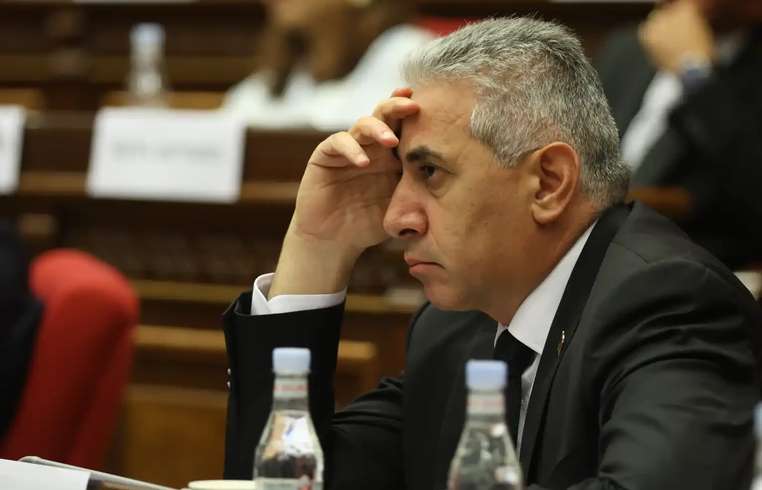
The Armenian political landscape is witnessing a growing tension as controversy envelops the 'Strong Armenia' faction in the National Assembly. At the heart of this discord is MP Edgar Ghazaryan, who has found himself under fire following a statement he made regarding the 2024 initiative on landmine clearance in the Kirants region. This statement has been perceived as contentious, sparking a wave of disapproval from his political peers and the public alike. Ghazaryan's remarks suggested a mismanagement of resources earmarked for the demining operations, which he alleged would lead to future socio-political repercussions. Promptly, these comments drew severe criticism, with authoritative figures within the government and his factional leader, Narek Karapetyan, demanding a public retraction and apology for what they viewed as an irresponsible assertion undermining national interests. The controversy has escalated within political circles, where there is growing pressure on Ghazaryan to issue a formal apology. His refusal to do so has intensified the discord, creating an internal rift within the faction he represents. Ghazaryan, standing firm in his assertion, cites his duty to transparency and advocacy for what he perceives as the truth behind government operations. However, this stance has only fueled further isolation and has positioned him at odds with faction leadership. Efforts to mediate the situation have, so far, proved unfruitful. Ghazaryan's colleagues express concern that this rift could diminish the faction's cohesion and public image, potentially precipitating a broader crisis of confidence in their governance. As the National Assembly convenes for its regular sessions, the ongoing denial to apologize by Ghazaryan lingers like a shadow, threatening both his political future and the stability of his faction. Observers note that the resolution of this impasse is not straightforward and hints at wider issues within the party regarding communication and alignment on policy statements. Meanwhile, public commentary on the issue reflects a divided opinion, with many acknowledging the necessity of robust debate, while others express dismay over the lack of unity within political ranks at such a critical juncture. The outcome of this affair remains in the balance, as ongoing discussions aim to find an acceptable conclusion for all involved parties, with observers speculating on potential sanctions against Ghazaryan should he remain unyielding.
About usyoo

Categories
Tags