News - Развитие албанского побережья вызывает опасения относительно вступления в ЕС
Business Strategy
Развитие албанского побережья вызывает опасения относительно вступления в ЕС
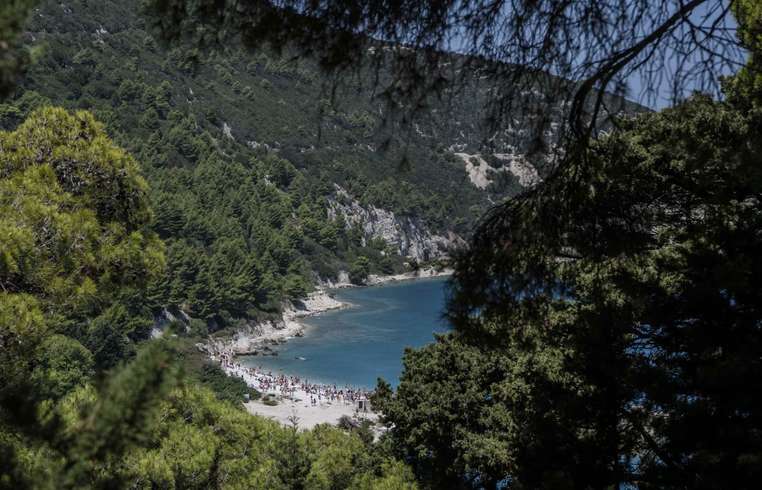
In a growing controversy, members of the European Parliament have expressed significant concerns regarding Albania's ambitious project to establish a luxury tourist resort along its coastline. The initiative, with potential ramifications for Albania's progress in EU accession discussions, is backed by investors, including a company associated with Jared Kushner, prompting apprehension due to possible adverse effects on the region's delicate coastal ecosystems. Spearheaded by MEP Tineke Strik, who led a fact-finding mission earlier this month, the scrutiny highlights potential violations of EU environmental laws, pivotal for Albania's accession aspirations. The development, valued at approximately 1.4 billion euros, is located near one of Europe's pristine natural habitats, raising alarms among environmentalists and local communities. This project has been met with widespread dissent within Albania, sparking a movement tagged as the 'Flamingo Revolution.' Activists claim the construction threatens biodiversity and undermines community rights, emphasizing the importance of sustainable development aligned with European values. Tineke Strik, in her report, pinpointed the ramifications for EU talks, warning that failure to adhere to environmental protocols could hinder negotiations. She highlighted that the European Union maintains strict policies regarding environmental conservation, and any deviation could place Albanian aspirations in jeopardy. This development represents a broader narrative about balancing national economic interests against environmental preservation — a dynamic at the heart of EU membership criteria. As tensions rise, the Albanian government faces mounting pressure to reconcile these ambitions with ecological and community concerns. Strik's delegation underscored how essential adherence to EU standards is, not only for the sake of the environment but also for the integrity of Albania's EU accession pathway, slated for potential conclusion by 2030. As Albania navigates this complex issue, the European Parliament remains a crucial arbiter, monitoring compliance with regulations and ensuring that the socioeconomic developments within aspiring member states align with the EU's long-term ecological commitments.
About usyoo

Categories
Tags