
News - اندفاع البيت الأبيض لزيادة ميزانية الدفاع يثير صداماً في كابيتول هيل
Business Strategy
اندفاع البيت الأبيض لزيادة ميزانية الدفاع يثير صداماً في كابيتول هيل
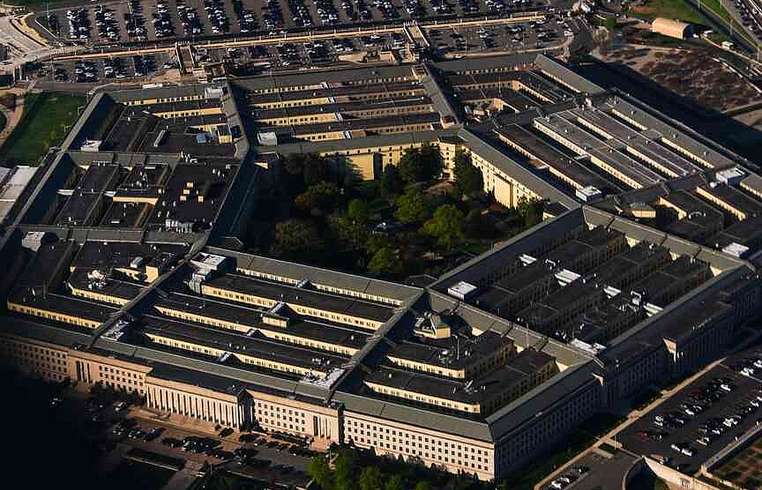
In a heated congressional session, White House budget director Russell Vought called for a substantial boost in U.S. defense funding to nearly $1.5 trillion, spurring a fierce debate on Capitol Hill. This proposed increase, aimed at ramping up U.S. weapons production, proposes additional funding for ships, planes, and drones, while slicing about 10% in domestic program budgets, excluding mandatory spending on Social Security and Medicare. Vought’s testimony arrives as part of the Trump administration’s push to solidify defense budgets, positing multiyear contracts to ensure steady production lines and industrial base expansion. Lawmakers learned that approximately $1.1 trillion of the defense budget would fall under regular appropriations, necessitating bipartisan support, while an added $350 billion could pass through party-line votes. Democrats voiced concerns about cutting domestic programs in favor of expanded military spending. Rep. Brendan Boyle of Pennsylvania argued the priorities reflect an imbalance, while Rep. Becca Balint of Vermont questioned the logic of channeling vast resources towards military ventures instead of essential social services like health care, education, and housing. Boyle challenged the administration for its economic policy, citing rising gas prices linked to Trump’s Iran policies. Meanwhile, Republicans defended the proposal, with committee chairman Rep. Jodey Arrington supporting increased military funding. Arrington noted Trump's achievements, including border security and tax cuts, contrasting these with perceived failures under President Biden. As debate unfolds, Vought stressed the importance of tackling national threats while seeking diplomatic resolutions to reduce defense expenditures over time. With midterm elections looming, the defense budget has surfaced as a critical policy battleground, poised to heavily influence voter decisions on the national direction.
About usyoo

Categories
Tags