
News - تأخذ عملية القبض المستقلة لصانع المحتوى منحنى عكسيًا، مما يثير مخاوف قانونية وسلامة.
Business Strategy
تأخذ عملية القبض المستقلة لصانع المحتوى منحنى عكسيًا، مما يثير مخاوف قانونية وسلامة.
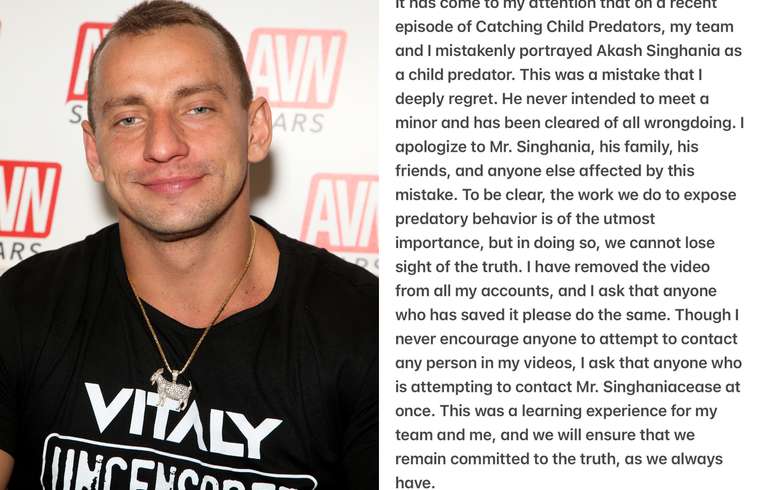
Kick streamer Vitaly Zdorovetskiy, known for his confrontational 'Catching Child Predators' series, recently found himself in hot water after a livestream sting operation incorrectly identified an innocent man as a criminal. In his public apology, Vitaly admitted the grave mistake of accusing Akash Singhania of intending to meet a minor, clarifying that Singhania was exonerated following a police assessment. The incident has raised significant questions about the ethics and legality of such vigilante actions. While vigilante stings targeting alleged sexual wrongdoers often gain traction on digital platforms, law enforcement agencies urge caution. The Indianapolis Metropolitan Police Department highlighted that information gathered illegally by citizens isn’t usable in legal proceedings. There’s also the risk of these stings interfering with ongoing investigations, possibly tipping off suspects or resorting to violence. Akash Singhania’s ordeal serves as a potent example of such repercussions. Faced with declined social networks and professional partnerships due to the false claims, he emphasized the dire personal consequences of being wrongly labeled. In the chaotic unfolding, Singhania was forced to engage law enforcement to clear his name, thanking Santa Ana police officers for their professionalism and diligence in confirming his innocence. Despite the withdrawn video and Vitaly’s apologies, the incident’s impact lingers. Singhania continues to endure the social fallout, advocating for more stringent verification and care in public accusations. Meanwhile, Vitaly reassured his audience of his commitment to truthful reporting, acknowledging the broader dangers of disseminating misinformation. This episode underscores the critical balance between seeking justice and protecting individuals' rights. As social media platforms become arenas for social justice, the line between citizen activism and judicial overreach blurs, making both caution and due process more critical than ever.
About usyoo

Categories
Tags