News - اعتزال مايكل كيسا المستنير مستوحى من داستن بويرييه
Business Strategy
اعتزال مايكل كيسا المستنير مستوحى من داستن بويرييه
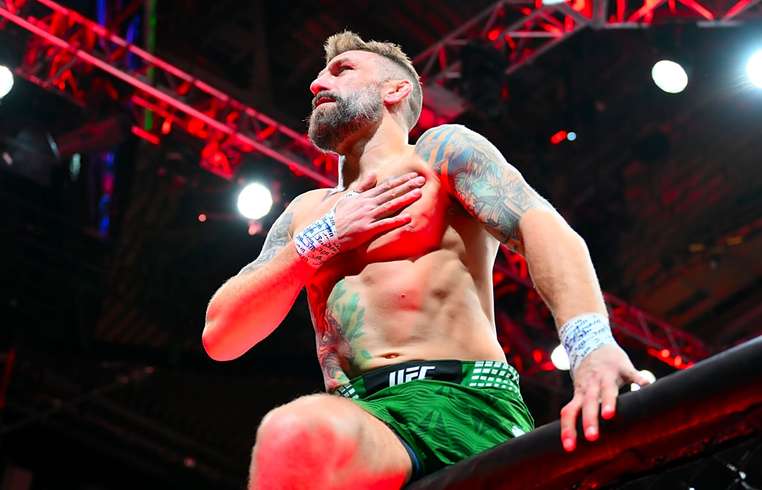
When Michael Chiesa decided to retire, it was more than a mere conclusion to a successful MMA career; it was an introspective decision influenced by an internal shift in mindset. Chiesa, who recently called it quits at UFC Seattle, was on a prosperous four-fight win streak. Yet, during his last bout against Court McGee, he experienced an unprecedented sensation holding back in the ring—a fear of injury and losing—a divergence from his usual approach. This newfound hesitance struck him as peculiar until he found solace in the shared experiences of fellow fighter Dustin Poirier, who too had expressed changes in his competitive spirit after a loss to Max Holloway ended his career. Chiesa, recognizing this shift in himself, felt it was a signal that his fighting journey was nearing its end. Chiesa’s exit was a testament to leaving the sport on his own terms. Unlike others who leave in defeat or decline, Chiesa’s departure followed a victorious farewell bout against Niko Price, witnessed by adoring fans in his home venue. Retiring without severe physical ailments and after a successful run allowed him to draw the curtains on an illustrious career with dignity and no significant regrets. As his contemporaries like Demetrious Johnson vocalize their own path in a demanding sport, Michael Chiesa's story stands out as an exemplar of gracefully recognizing when to transition. His career, punctuated by high respect from the UFC and peers alike, was also marked by a definitive understanding of self-awareness—a precious yet rare essence among athletes who often struggle with leaving competition behind. Chiesa embraced a once elusive sentiment of fear and aligned it as a marker of readiness for another phase of his life, away from the octagon, leaving a legacy that extends beyond his in-cage achievements.
About usyoo

Categories
Tags