
News - تصاعد التوترات بشأن التحقيق في حادث إطلاق النار على وكالة الهجرة والجمارك في مينيابوليس
Business Strategy
تصاعد التوترات بشأن التحقيق في حادث إطلاق النار على وكالة الهجرة والجمارك في مينيابوليس
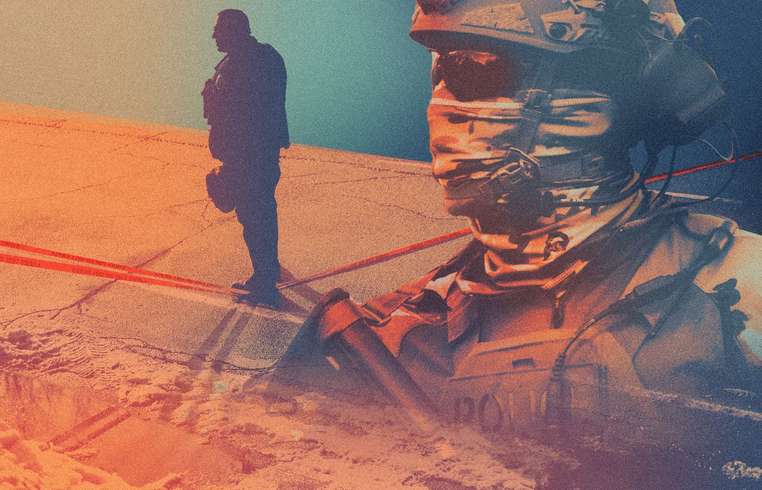
The Minneapolis ICE shooting investigation has sparked major controversy and accusations of obstruction, as federal and local officials clash over evidence access and transparency. Hennepin County Attorney Mary Moriarty has expressed frustration over the FBI's unwillingness to share critical information which she believes is vital for evaluating potential charges at the state level. This tension underscores the continuing distrust between different layers of government, following years of strained relations in politically sensitive cases. The root of the issue lies in the disconnect between the federal and local authorities' handling of the investigation. The FBI's restrictions on evidence sharing have prompted criticism from former officials and defense attorneys, emphasizing the need for collaboration to maintain public trust. Comparisons have been drawn to past cases where local and federal authorities failed to align, leading to compromised justice outcomes. Given the political implications, President Trump and key figures like Vice President Vance and Homeland Security Secretary Kristi Noem have weighed in, defending the ICE officer's actions as a legitimate use of force. Meanwhile, the Justice Department remains committed to a thorough inquiry, despite accusations of bias and intent to cover up the circumstances of the shooting. The situation emphasizes broader issues within America's law enforcement and judicial systems, where local and federal jurisdictions often collide, leading to procedural disjoint. As investigations proceed, the implications on immigration policy enforcement and public confidence in governmental fairness continue to be scrutinized. Local officials, including Minneapolis Mayor Jacob Frey and Governor Tim Walz, have voiced their concerns, urging for the reduction in federal enforcement presence to prevent potential escalations. However, their appeals have thus far been met with resistance by federal authorities. The stakes are high, as public opinion and governmental integrity hang in the balance. Experts argue that the credibility of the eventual findings depends largely on visible, unbiased investigative efforts that transcend political affiliations. Observers continue to watch closely, wary of further erosion in trust that could deepen the nation’s divisions over immigration enforcement and justice for use-of-force incidents.
About usyoo

Categories
Tags