News - تنشأ التوترات عندما يختار فريق بيليكانز جيريميا فيرز، موراي يطالب بالتجارة
Business Strategy
تنشأ التوترات عندما يختار فريق بيليكانز جيريميا فيرز، موراي يطالب بالتجارة
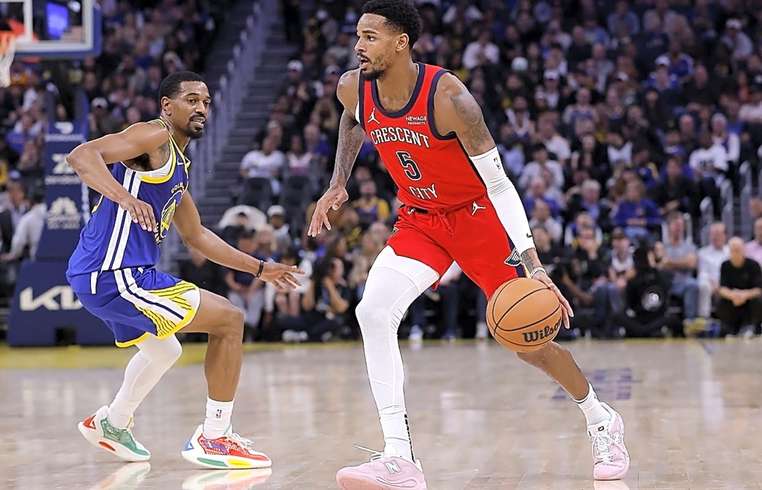
The landscape of the New Orleans Pelicans experienced significant upheaval after the draft pick of Jeremiah Fears created ripples across the organization and left veteran player Dejounte Murray disillusioned and eager for change. Drafted with the seventh overall pick in the 2025 NBA Draft, Fears quickly demonstrated his potential by making the All-Rookie Second Team, boasting an average of 14.3 points and 3.4 assists per game. This strategic draft choice signaled a pivot in the Pelicans' trajectory, much to the dismay of Murray, whose dissatisfaction mirrored past experiences with the Spurs and the Hawks. The news of Murray’s unhappiness with the Pelicans management quietly made rounds since last season. His decision to delay returning from an Achilles injury was interpreted by some within the organization as an attempt to force a trade before the 2026 NBA deadline. Despite this speculation, generating a trade market for an injured player presented challenges, and Murray resumed play later in the season. Frustration also brewed internally over the appointments of coach Jamahl Mosley and executive Joe Dumars. The lack of comprehensive searches preceding these key hires left many within the organization perplexed. The combined effect of managerial decisions and a draft strategy that did not align with Murray's long-term vision fostered a schism, rendering it hard to keep the All-Star engaged and committed. Known for his agility on the court, Murray averages 13.4 points per game, coupled with 4.6 rebounds and 4.4 assists this season. He plays a pivotal role, clocking 31.3 minutes per game, although shooting inconsistencies remain evident with a 43.1% field goal percentage and a 29.6% success rate from beyond the arc. Heading towards the end of his tenure with the Pelicans, Murray, whose NBA journey has previously navigated through the Spurs and Hawks, leaves behind a legacy of averaged stats echoing 16.6 points, 5.9 rebounds, and 6.6 assists with New Orleans. As discussions of a trade ensue, the predicament unmasks a deeper narrative of team dynamics and personal ambitions. Rival teams remain reluctant, perceiving any potential trade for Murray to demand substantial draft compensations. The unfolding developments sketch an intricate image of internal dynamics at play while illustrating the broader implications of draft strategies and player management in a rapidly evolving sports industry.
About usyoo

Categories
Tags