News - ركوب موجة الذكاء الاصطناعي: نصيحة بافيت للمستثمرين في ظل عدم اليقين في السوق
Business Strategy
ركوب موجة الذكاء الاصطناعي: نصيحة بافيت للمستثمرين في ظل عدم اليقين في السوق
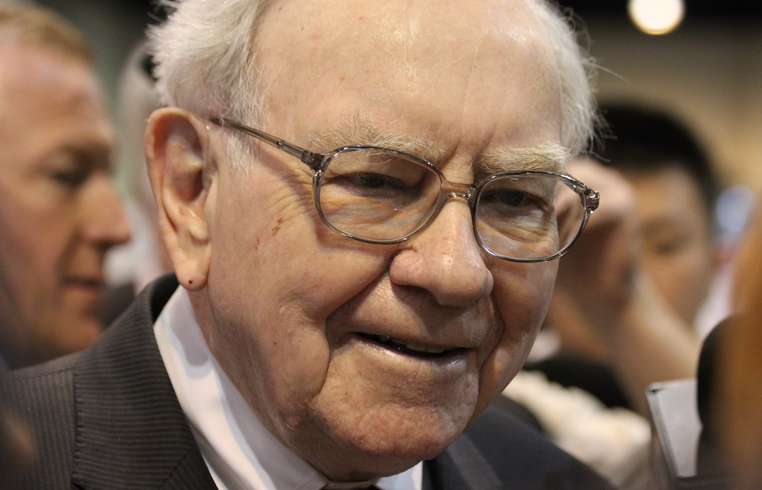
The U.S. stock market has historically proven to be a powerhouse for wealth creation. In recent times, the explosion of generative artificial intelligence (AI), exemplified by OpenAI's ChatGPT, has driven rapid gains in major indices; the S&P 500 and the Nasdaq Composite have soared 115% and 150% respectively since late 2022. However, the exuberance comes with a cautionary tale. Looking back at decades of financial history, steep market drawdowns have often trailed periods of such explosive growth. Legendary investor Warren Buffett offers timeless insight into navigating potential market corrections. Assessing Stock Valuations One popular way to evaluate stock market valuations over time is the cyclically adjusted price-to-earnings (CAPE) ratio, which considers inflation and the business cycle. Currently, the S&P 500's CAPE ratio stands at a historically high 40.1, compared to its long-term average of 17.4. Historically, the market has only surpassed a CAPE ratio of 32.6 during two significant periods: in 1929, prior to the Great Depression, and in late 1999, ahead of the dot-com bubble burst. The present rise in AI-related stocks bears stark similarities with the tech surge preceding the dot-com crash. AI: The Double-Edged Sword There's growing skepticism about the current AI infrastructure being a sustainable growth driver, with only 37% of professional investors expecting positive returns within two years, as per a Barron's survey. Concerns are compounded by the $3.5 trillion annual expenditure prediction by 2032 to justify ongoing capital investment in AI, representing 8.8% of GDP. This figure rivals essential spendings on energy and food. Tech giants face the challenge of investing heavily in AI while risking their high-margin revenues. Alphabet's recent experience exemplifies this, where rising AI costs coincided with a stock price dip due to slowing growth in their core search business. Buffett's Rational Approach In navigating the highs and lows of market cycles, Warren Buffett suggests focusing not on the industry's potential growth, but on the competitive advantage and sustainability of individual companies. During a 1999 Fortune Magazine interview, he emphasized the importance of sustainable moats that protect businesses against competition and ensure long-term profitability. Rather than rushing into the AI gold rush, Buffett advocates for discerning investments in companies with clearly defined and enduring advantages. This wisdom advises investors to look beyond the hype and focus on long-term value amid potential market instability.
About usyoo

Categories
Tags