News - إدانة في قضية القتل القديمة للطالبة بجامعة نورث كارولينا فيث هدجبيث
Business Strategy
إدانة في قضية القتل القديمة للطالبة بجامعة نورث كارولينا فيث هدجبيث
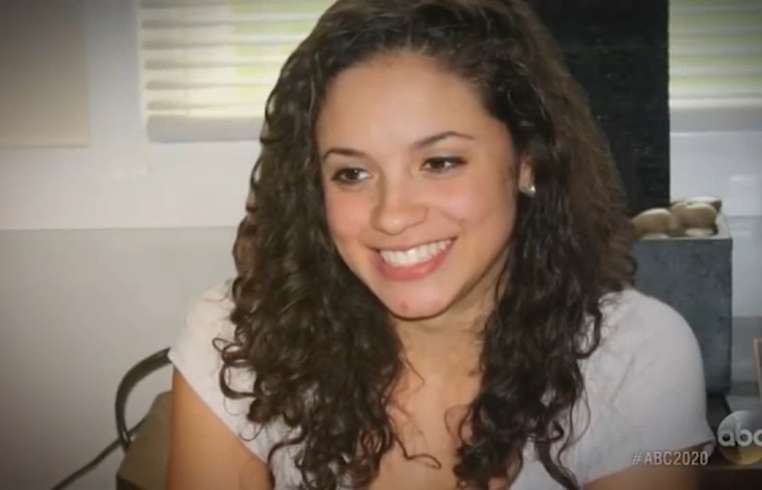
In Durham, North Carolina, a jury has delivered a verdict in the decade-old case involving the murder of Faith Hedgepeth, a University of North Carolina at Chapel Hill student. Faith Hedgepeth, a 19-year-old sophomore, was brutally murdered in her apartment in 2012. Following years of investigation, Miguel Salguero Olivares was arrested in connection with the crime after a DNA sample obtained in a separate incident matched evidence from the crime scene. Olivares, charged with first-degree murder alongside other offenses, maintained his innocence throughout the trial. His defense rested their case without calling witnesses, while the prosecution summoned nearly two dozen individuals, including DNA experts and those close to Hedgepeth, to testify. The prosecution focused on painting a picture of that fateful night, highlighting how Hedgepeth and a roommate returned home from an outing before parting ways. Forensic evidence linked Olivares to the grisly scene — DNA traces were found on key items, including a blood-stained rum bottle identified as the murder weapon. Forensic scientist Erin Ermish testified that the DNA evidence strongly linked Olivares to the scene, although absolute certainty couldn't be achieved due to scientific limitations. Statistical analyses of DNA samples supported the likelihood of his involvement, with highly improbable odds pointing to any other accomplice. Defense attorneys cast doubt on eyewitness accounts, questioned the integrity of crime scene management, and criticized the handling and preservation of evidence. Nonetheless, the overwhelming DNA evidence played a crucial role in the jury's decision. The trial was emotional, with autopsy photos evoking tears from jurors and a visibly moved Olivares during proceedings. The trial's conclusion brings a resolution to a case that has long haunted the UNC community, offering a measure of justice to those who knew and loved Faith Hedgepeth.
About usyoo

Categories
Tags