News - تواجه شركة إكس بوكس عمليات تسريح استراتيجية في ظل التحديات التي يشهدها القطاع.
Business Strategy
تواجه شركة إكس بوكس عمليات تسريح استراتيجية في ظل التحديات التي يشهدها القطاع.
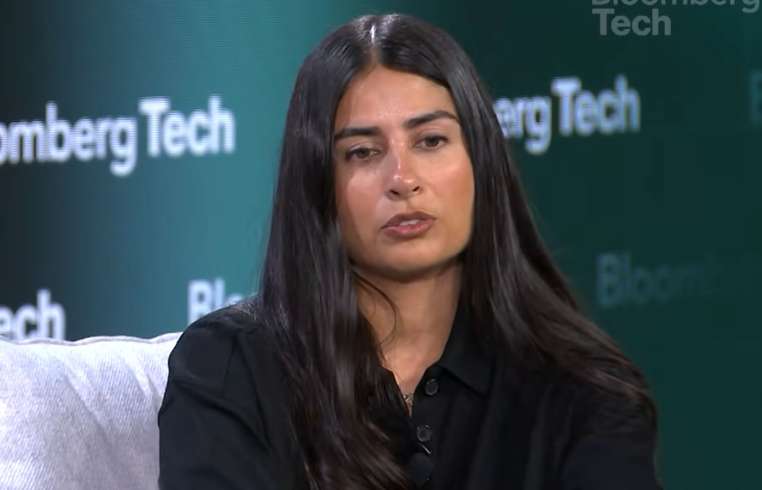
In a strategic move to streamline operations, Xbox is scheduled to implement three more waves of layoffs spanning October, November, and January 2027, addressing the remaining 3,200 job reductions initially announced earlier this fiscal year. Sparked by previous restructuring efforts following Microsoft's high-profile acquisition of Activision Blizzard King, this announcement follows preceding layoffs of 1,600 employees in July and 268 in September, involving structural changes in Xbox’s alignment with studios such as Compulsion Games and Double Fine. According to insights revealed in an interview with Xbox CEO Asha Sharma, the shift in workforce dynamics was strategized to fall into a more spaced rollout as opposed to concentrated layoff batches, a decision leaving current employees unsettled with extended uncertainty regarding their roles. Internal concerns have escalated as reports hint at potential post-launch layoffs within studios such as The Coalition, coinciding with the withholding of bonus compensations at Microsoft. Simultaneously, Xbox's focus turns toward the ambitious development of next-gen technology, namely Project Helix, which anticipates a launch by late 2028 with pricing projections of $1,200 to $1,800—an indication of significant technological advancement negating concerns about rising component costs and shifting tariffs that have plagued industry finances. Alongside hardware advancements, an overhaul of the Xbox Game Pass is under consideration, potentially introducing à la carte options for features like multiplayer and cloud gaming, reflecting evolving consumer preferences. The landscape of the gaming industry wrangles with financial and operational upheavals, as demonstrated by Sony’s shutdown of Bluepoint Studio and EA's downsizing despite recent successes. These challenges are compounded by unmet expectations for sustained post-pandemic consumer spending. Sharma’s leadership navigates Xbox through these turbulent waters, aspiring to stabilize the workforce while pursuing impactful industry contributions, despite the potential discontent among personnel arising from these immediate changes.
About usyoo

Categories
Tags