
News - ترامب يوقف تنفيذ مباشر للإعدام المثير للجدل بعد احتجاج
Business Strategy
ترامب يوقف تنفيذ مباشر للإعدام المثير للجدل بعد احتجاج
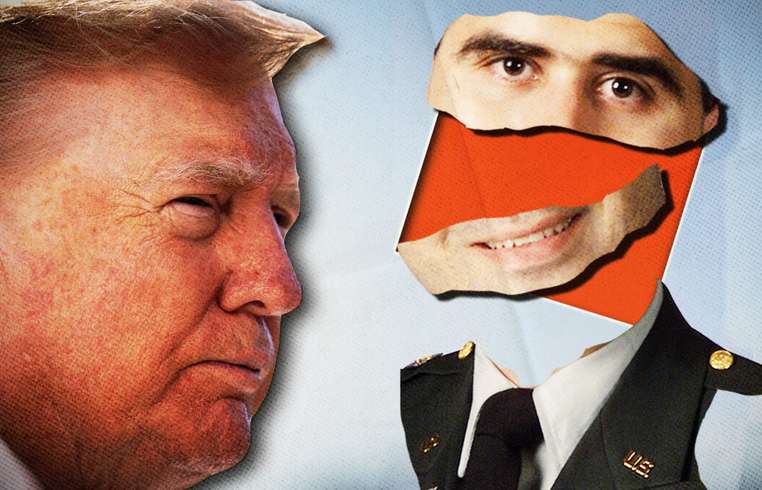
President Donald Trump recently cancelled the controversial plans to livestream the December 3 execution of Nidal Hasan, a former Army major sentenced to death for the 2009 Fort Hood shooting that claimed 13 lives. The announcement by Defense Secretary Pete Hegseth ignited widespread public outcry and comparisons to oppressive regimes, prompting Trump to retract the proposal. In 2013, Hasan received the death penalty, marking a rare event in military justice. Although the proposed livestreamed execution was intended to be the first public one since 1937, a period remembering the public execution of Rainey Bethea in Kentucky, the announcement sparked heated debate about public execution's place in modern society. Critics, including the U.S. Conference of Catholic Bishops, described the proposal as a 'barbaric promotion of a culture of death,' drawing unfavorable comparisons to Taliban practices. Matthew Walther from The Lamp criticized the idea as potentially creating 'the first ever government-sanctioned snuff film in American history.' Historically, American societal norms and Enlightenment ideals led to the decline of public executions, seen as disruptors of social order. Often resulting in boisterous and disorderly gatherings, early American leaders shifted from public punishments to establish a more stable, virtuous citizenry, moving away from Europe's legacy of public executions. Public executions ushered in a transition to private hangings within prison confines in the late 19th and early 20th centuries. Although public execution tropes occasionally married religious and state themes in events, a general shift towards more humane justice systems occurred with the advent of the penitentiary. Public executions, which once inflamed mob fervor, were largely rejected because they sparked disorder and were inconsistent with developing views on justice proportionality. The abandonment of public executions is attributed to the realization that such spectacles dehumanize individuals and should not be used to demonstrate state power. Accounts like that of Rachel Abbott, a childhood witness to the 1936 Bethea hanging, underscore the lasting psychological impacts of public execution spectacles. Abbott detailed recurring nightmares fueled by witnessing the event, illustrating the haunting nature of such public showcases. The outcry against the proposed livestream execution reflects deep-seated American values that have evolved past public punishments, emphasizing the need for justice systems to uphold human dignity and reject violent displays of authority.
About usyoo

Categories
Tags