News - الديناصورات على قيد الحياة: اكتشاف أحفوري مذهل في زيمبابوي
Business Strategy
الديناصورات على قيد الحياة: اكتشاف أحفوري مذهل في زيمبابوي
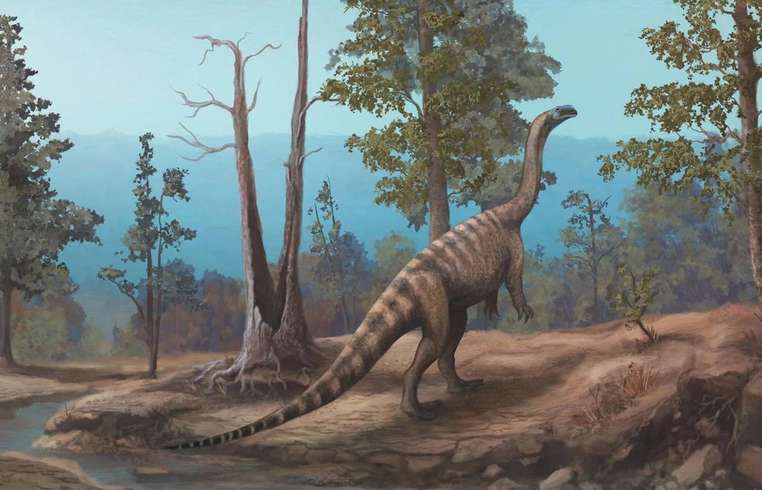
In Zimbabwe's northeastern Kariba region, a groundbreaking fossil find has been unearthed, unveiling the existence of a massive dinosaur previously unknown to science, designated as Musango matusadonaensis. Paleontologists have meticulously excavated the bone fragments of the creature, which was estimated to roam the Earth around 210 million years ago. This prehistoric giant stretched over 13 meters in length and is believed to have had a lifestyle reminiscent of the famous long-necked sauropods. The international team of scientists, led by renowned paleontologist Dr. Paul Barrett, has detailed the fossil's unique characteristics, revealing distinct anatomical features like elongated vertebrae suggestive of as yet unclassified evolutionary adaptations. Currently, Musango matusadonaensis is among the largest known dinosaurs from the Triassic period, bridging remarkable insights into the early evolution of these magnificent creatures. Dr. Barrett stated, 'Finding such a complete and well-preserved skeleton in the Kariba region offers invaluable insights into the diversity of life during the late Triassic period and reinforces Zimbabwe's significance as a rich paleontological site.' Continued research at the site reveals a complex ecosystem teeming with various prehistoric species, demonstrating significant biodiversity shifts during this relatively uncharted epoch. This discovery has invigorated Zimbabwe's status in the global paleontological community. The research team aims to continue excavations in hopes of uncovering further clues about ancient ecosystems that thrived millions of years ago. Plans are underway to establish a local museum dedicated to these remarkable finds, promising educational enrichment and boosting scientific tourism in the region. As the world is captivated by this enthralling journey back in time, the findings underscore Earth's dynamic history, revealing chapters that have long been hidden beneath layers of time and earth in Zimbabwe's rich geological tapestry. As scientific excitement mounts, every new fossil fragment holds the promise of unexpected discoveries about our planet's ancient past.
About usyoo

Categories
Tags