
News - الولايات المتحدة تكثف العقوبات: أصول الحرس الثوري الإيراني في مرمى التصويب
Business Strategy
الولايات المتحدة تكثف العقوبات: أصول الحرس الثوري الإيراني في مرمى التصويب
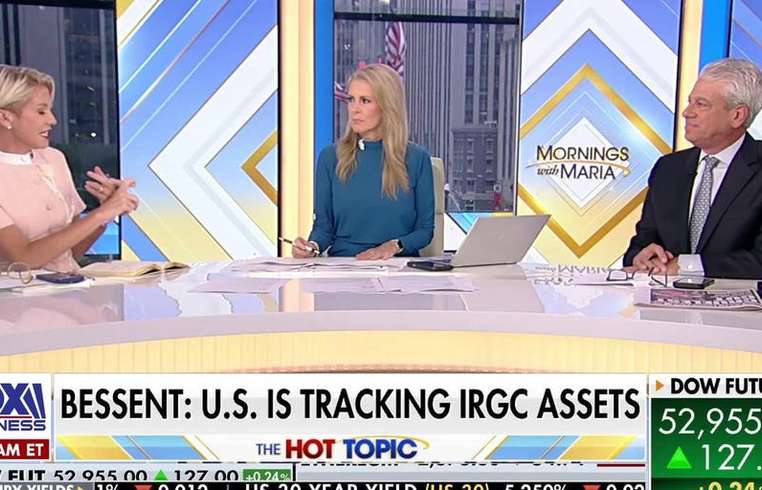
In a robust move to amplify economic pressure on Iran, U.S. Treasury Secretary Scott Bessent has unveiled forthcoming sanctions focused on Iranian banks, along with a strategic plan to freeze assets held globally by the IRGC (Islamic Revolutionary Guard Corps). This initiative underscores a formidable expansion of sanctions, with significant implications for both regional and international stakeholders. The decision aligns with Western strategies aimed at destabilizing Iran’s economic fortitude by targeting one of its most influential military and financial entities. Ashley Davis, a founding partner at West Front Strategies, provides a detailed analysis of this strategy, remarking on its potential to derail major revenue streams for Tehran. She emphasizes that disrupting Iranian oil exports forms a key pillar of these sanctions, which inadvertently could strain China’s energy procurement, given its dependency on Iranian oil. Bessent's announcement echoes consistent U.S. policy maneuvers seeking to pressure Iran into compliance over its nuclear and military practices. These escalated measures represent coordinated diplomatic and financial efforts to curb what the U.S. perceives as Iran's destabilizing activities across the Middle East. By freezing IRGC assets, the U.S. aims to not only incapacitate financial support for alleged militant activities but also stir socioeconomic instability within Iran. This tactical economic isolation is a calculated counterpart to diplomatic negotiations, designed to coerce Iran towards negotiating table with renewed urgency. The broader global implications signal a complex geopolitical shift. As sanctions tighten, nations allied to Iran may adopt countermeasures, potentially catalyzing a realignment of international trade alliances. Meanwhile, the IRGC—a powerhouse within Iran's financial apparatus—faces curtailed operational capability, significantly altering the strategic landscape of Middle Eastern power dynamics. Ultimately, Bessent’s detailed sanctions plan reflects a critical juncture, reinforcing the U.S.’s position to leverage economic tools for geopolitical gain while testing the resilience of international partnerships that extend their ties to Iran.
About usyoo

Categories
Tags