

News - تكشف الكابوشينات عن أصول الصيد الأجداد في ظل نقص الغذاء
Business Strategy
تكشف الكابوشينات عن أصول الصيد الأجداد في ظل نقص الغذاء
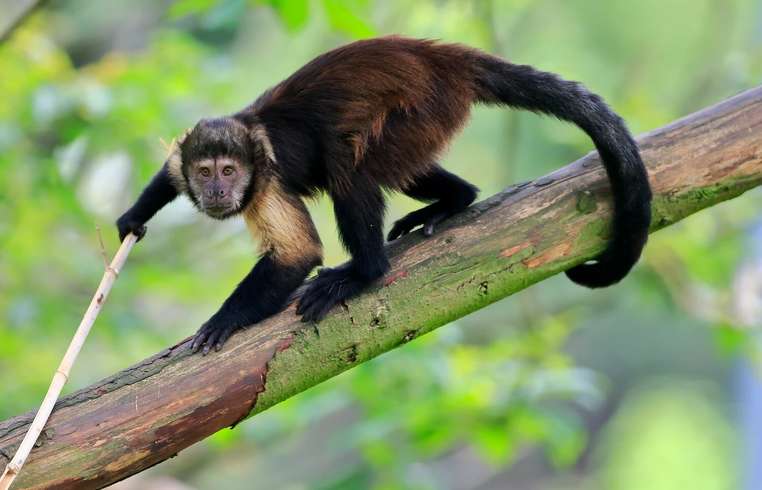
A new study published in PLOS One unveils intriguing connections between capuchins' dietary habits and their environmental conditions, offering insights into the evolution of hunting behaviors among early human ancestors. Researchers led by Susana Carvalho of Oxford University investigated capuchins across Brazil, observing their hunting patterns during periods of plant food scarcity. The team studies five groups of capuchins from 2006-2010, recording nearly 446 instances of hunting. The capuchins were seen preying on smaller creatures such as lizards and rodents, shifting occasionally to more risk-laden targets like snakes. The investigation reveals a substantial 43% of hunts resulting in successful capture, highlighting the adaptability of these primates. In cases where plant foods dwindled, the capuchins demonstrated a resilient shift to catching available animal prey. This behavior provides a glimpse into how ancestral humans could have developed hunting skills as a survival strategy in prehistoric environments facing resource shortages. Insights from this study not only enhance our understanding of capuchins but also imply a broader evolutionary narrative where early hominins may have turned to hunting small game to cope with environmental unpredictability. The significant role of social learning and skill development in capuchins suggests that early human societies likely shared and refined hunting tactics, crucial for survival during hostile periods. The findings propose a broader anthropological context underscoring the adaptive nature of diet changes. The capuchins’ skillful hunting during food scarcity illuminates the dynamic interplay between environmental pressures and survival strategies. This reinforces the hypothesis that early human ancestors developed opportunistic strategies to take advantage of available resources, ensuring both individual and group survival.
About usyoo

Categories
Tags