News - أسهم الذاكرة ترتفع بشدة وسط الطلب على الذكاء الاصطناعي: ماذا يخبئ المستقبل؟
Business Strategy
أسهم الذاكرة ترتفع بشدة وسط الطلب على الذكاء الاصطناعي: ماذا يخبئ المستقبل؟
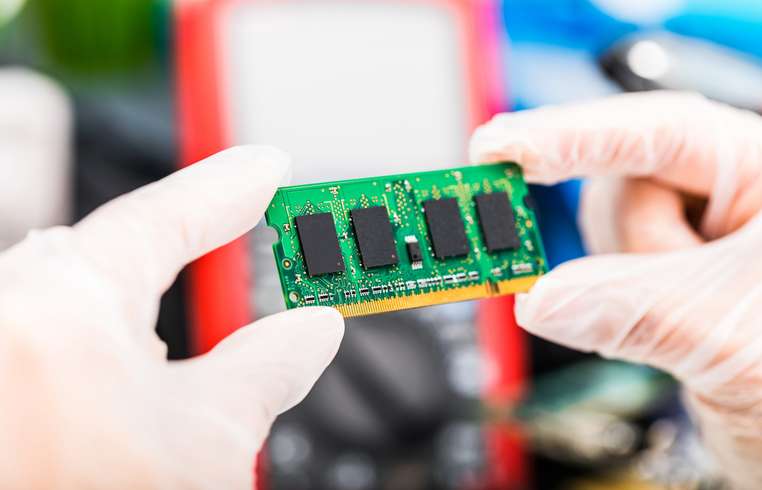
In a remarkable year for memory stocks, companies like Micron Technology (MU -0.78%), Sandisk (SNDK -0.28%), and SK Hynix (SKHY +0.20%) have experienced explosive growth, driven by rising prices, widening gross margins, and substantial free cash flow. Notably, Micron's stock saw an impressive surge of over 700% in the past year, with Sandisk soaring by an unprecedented 3,400%, and SK Hynix’s Korean shares jumping 600%. This surge is largely attributed to a memory supercycle spurred by AI infrastructure expansion, which has upset the balance of supply and demand in the market. The memory industry, specifically split into DRAM and NAND segments, has benefited enormously from the booming AI-related demand. Currently, high-bandwidth memory (HBM) stands at the core of this boom. HBM's integration with GPUs and AI chips is crucial in minimizing latency and power use, addressing one of AI's biggest challenges. Consequently, major DRAM producers like SK Hynix, Samsung, and Micron are heavily investing to meet this demand, resulting in a significant DRAM market supply shortage and surging prices. Conversely, flash memory is being utilized extensively in enterprise-level SSDs that hold AI training data. However, with the focus shifting toward HBM and DRAM, the flash segment has experienced supply constraints exacerbated by earlier production cuts after a market downturn post-pandemic. Initially, the pandemic's stay-at-home orders spiked electronics demand, boosting flash memory sales, but a post-mandate sales downturn hit the market hard. Historically, such cycles culminate in a market crash as booming supply eventually surpasses demand, leading to plummeting memory prices. However, this cycle appears distinct. AI infrastructure needs continue escalating, and with DRAM and NAND producers struggling to ramp up supply, several factors inhibit rapid growth. These include EUV machine capacity constraints for manufacturing HBM and advanced chip technologies, the greater wafer requirements for HBM, and the time-intensive process of creating new clean room facilities. Additionally, for the first time, memory companies, including Sandisk, are securing long-term contracts, introducing some stability in the traditionally volatile memory market. As the DRAM and NAND cycles maintain their upward momentum and current stock prices do not fully account for this trend, memory stocks remain attractive holdings for AI-focused investors.
About usyoo

Categories
Tags