News - تصاعد التوترات يرفع أسعار الغاز في الولايات المتحدة
Business Strategy
تصاعد التوترات يرفع أسعار الغاز في الولايات المتحدة
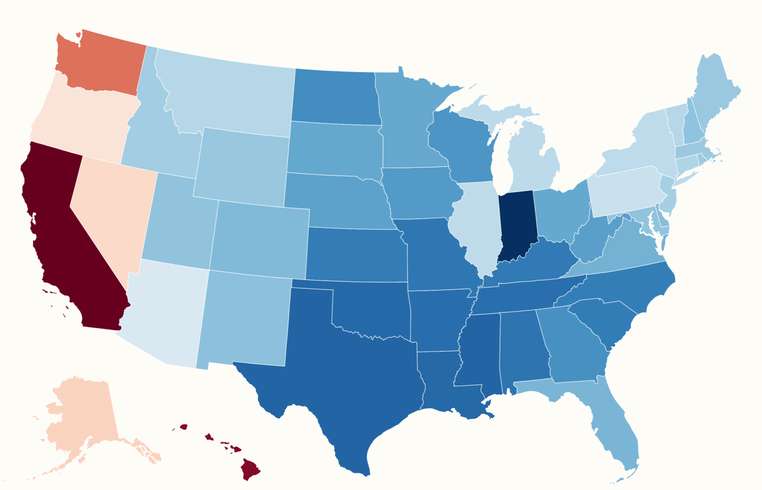
Rising hostilities between the U.S. and Iran have driven nationwide gas prices over $4 per gallon, challenging efforts by the administration to control domestic energy costs. With the Strait of Hormuz partially closed due to recent strikes, global oil supplies have tightened. The national average recently climbed from $3.87 to $4, marking an upward trend from a previous dip. Indiana remains the least expensive state at the pump, with its prices at $3.35, while California tops the chart with a staggering $5.50. This regional disparity is directly influenced by local demand and differing state taxes. The recent unraveling of June's provisional peace accord has contributed to the volatility, with setbacks such as ceased negotiations and accusations of violations complicating the situation. The security of the oil exports remains critical, as the administration considers new policies to reassure markets. President Trump has highlighted the strategic importance of maintaining oil flows through the Strait of Hormuz. The president's assertion that gas stations should aim for $2.50 per gallon echoes the public sentiment captured in surveys: 95% of Americans perceive an 'affordability crisis.' Efforts by Energy Secretary Chris Wright suggest a strategic shift, focusing on stabilizing oil movement through strategic chokepoints irrespective of Iranian positions. As talks have stalled, this approach underscores a renewed resolve to stabilize energy prices, mitigate inflationary pressures, and manage the logistical hurdles amid geopolitical conflicts. With household budgets under strain, petroleum product suppliers face scrutiny for alleged price manipulation, though industry defenders dismiss these charges. With midterms on the horizon, economic components like fuel prices may significantly impact public perception and political landscapes. Residents await further governmental actions that aim to provide relief and stability in the ensuing period of uncertainty and elevated consumption costs.
About usyoo

Categories
Tags