News - أسعار النفط تقفز مع إنهاء ترامب وقف إطلاق النار مع إيران
Business Strategy
أسعار النفط تقفز مع إنهاء ترامب وقف إطلاق النار مع إيران
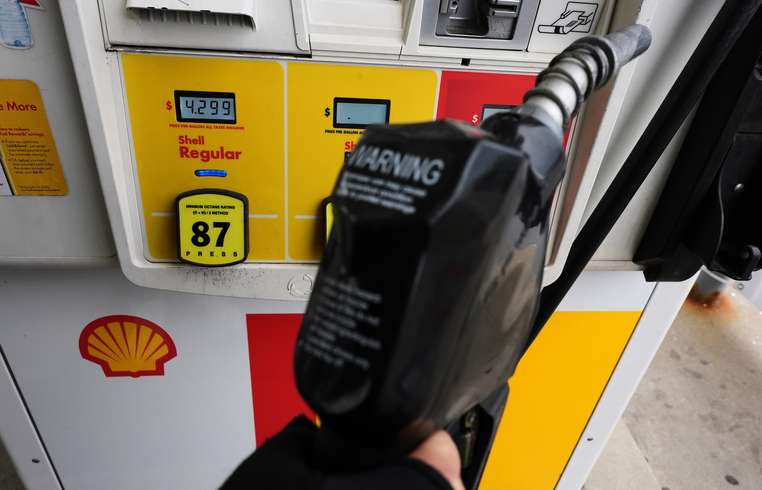
In a move shaking global energy markets, oil prices escalated over 6% as U.S. President Donald Trump announced the interim ceasefire with Iran has ended. Speaking at a NATO summit in Ankara, Trump stated the ceasefire agreement was 'over' following recent U.S. military strikes in response to attacks on ships in the strategic Strait of Hormuz. Brent crude oil surged to $78.80 per barrel, with U.S. benchmark crude climbing to $75.00. The increased tensions come as part of a broader geopolitical chess match, where Iran and the United States had previously negotiated a ceasefire, granting temporary and conditional passage rights through the Strait. Iranian stipulations requiring control over vessel routes have met resistance, leading to disputes over the strait's usage, as recent attacks appear linked to routings opposed by Tehran. This market volatility exacerbates existing financial unease, amplifying inflationary pressures and casting doubts over recent stock market valuations, particularly within the technology sector, which has been buoyed by speculative investment in AI technologies and infrastructure. Financial analyst Ipek Ozkardeskaya indicated that ongoing geopolitical developments, like the end of the ceasefire, could further depress equity valuations, driven by instability in international relations and trade. European markets were notably unsettled, with significant indices in Germany, France, and Britain posting declines as market participants responded to the burgeoning crisis. Similarly, Asian markets faced a dichotomy of reactions. Japan's Nikkei and South Korea's Kospi recorded substantial losses amidst sell-offs in semiconductor and tech shares. On a brighter note, Hong Kong's market buoyed investors as Zhipu, an emerging AI company, saw its shares rise significantly due to steadfast investor support despite the broader market turbulence. This escalation continues to reverberate through global financial systems with stock markets, currency rates, and commodity prices showing increased sensitivity to geopolitical developments. The S&P 500, Dow Jones, and Nasdaq have all faced downward pressure, highlighting the interconnected nature of modern financial ecosystems and the challenge of navigating them in times of geopolitical stress. As policymakers and investors react to these developments, attention remains fixed on the potential for further escalations or resolutions that might provide stability or further disrupt global markets.
About usyoo

Categories
Tags