News - تحالف إيران وروسيا يتحدى النفوذ العالمي للولايات المتحدة
Business Strategy
تحالف إيران وروسيا يتحدى النفوذ العالمي للولايات المتحدة
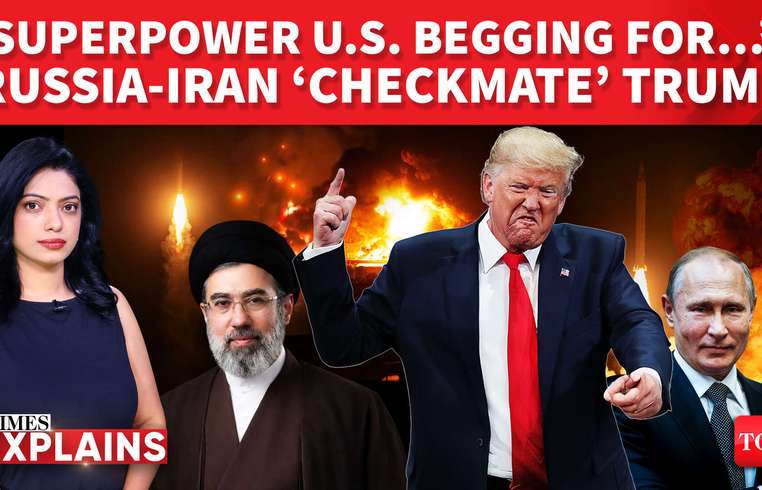
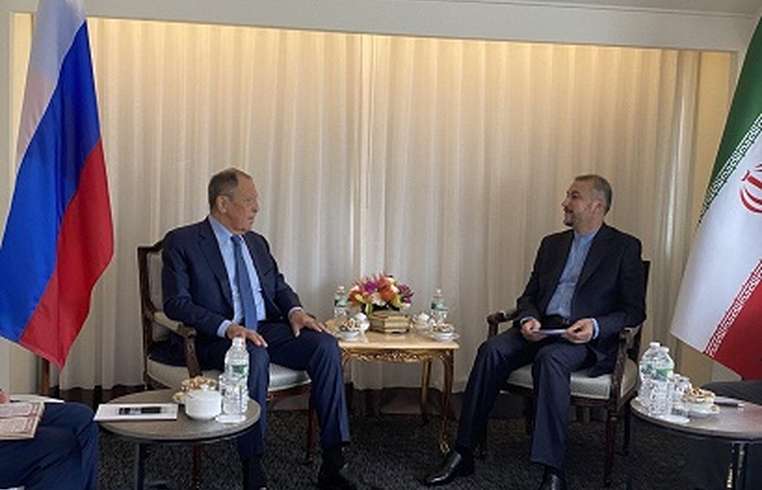
As of May 28, 2026, the burgeoning strategic partnership between Iran and Russia has emerged as a formidable challenge to the United States' traditional global influence. This development marks a notable shift in the geopolitical landscape, with the United States finding its previously unchallenged dominance increasingly questioned. The alliance between Iran and Russia underscores a strategic realignment that poses significant implications for international security and economic relations. Historically, the United States has relied on its substantial economic resources and military capabilities to shape global affairs, often setting the agenda for international relations. However, the recent cooperation between Tehran and Moscow points to a changing dynamic, where emerging powers are beginning to assert their influence more forcefully. This realignment corresponds with a broader trend of multipolarity, wherein multiple nations hold significant sway over global affairs, as opposed to a single superpower. The ongoing Iran crisis, exacerbated by the perceived aggressive posture of the U.S., and the ongoing conflict in Ukraine, have further prompted Iran and Russia to deepen their bilateral ties. This partnership serves as a counterbalance to U.S. interventionist policies in the Middle East and Eastern Europe, challenging America's capacity to enforce its will unilaterally. The Trump administration's foreign policy choices have intensified these challenges. Its approach, characterized by unilateralism and unpredictability, has occasionally strained longstanding alliances and introduced uncertainties in international relations. Allies question America's commitment and reliability, while adversaries exploit perceived weaknesses and vacuums of power. As a consequence, the U.S. finds itself grappling with issues of overextension and diminishing returns on its foreign policy strategies. This has led to a scenario where global trust in U.S. leadership is wavering, and traditional mechanisms of deterrence are losing their efficacy. The international community is increasingly seen as a complex and interlocking arrangement of varied interests, moving beyond the simple binaries of post-Cold War geopolitics. Amid these evolving dynamics, the United States must navigate a more intricate global chessboard, where its next moves will significantly impact the balance of power. The Iran-Russia axis signifies not merely a challenge, but a call for strategic recalibration and renewed diplomatic engagement. The United States is now tasked with reinforcing strategic partnerships, adapting to a world where it cannot assume automatic leadership, and crafting policies that acknowledge the intricate web of modern geopolitical affairs. As this new era unfolds, the nature of American global control appears to be transforming. Whether Washington can adjust and maintain its leadership role in this more convoluted and competitive environment remains to be seen.
About usyoo

Categories
Tags