
News - استئناف الطرق الرئيسية للشحن عبر مضيق هرمز
Business Strategy
استئناف الطرق الرئيسية للشحن عبر مضيق هرمز
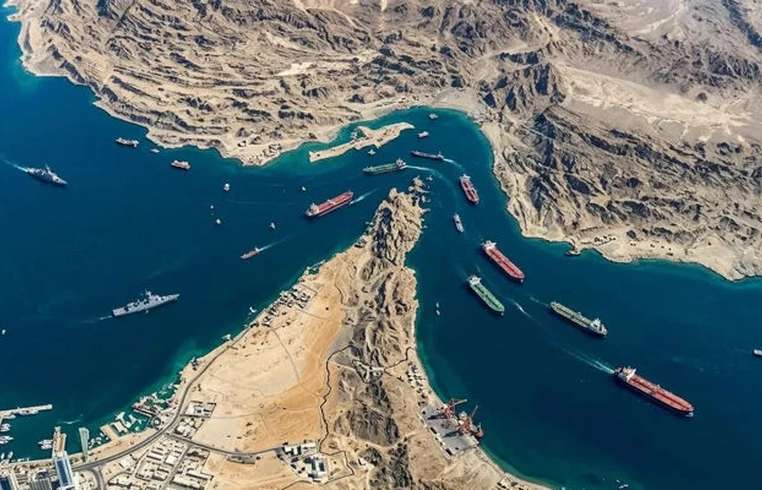
In a significant development for global maritime trade, major shipping entities have resumed navigation through the crucial Strait of Hormuz, as reported by Lloyd's List Intelligence. This major step follows an unprecedented agreement reached between the United States and Iran, leading to enhanced diplomatic relations and easing of tensions in the region. The reopening of this strategic passage marks the first time in 110 days that large shipping companies can safely transit through these waters, potentially mitigating economic disruptions attributed to its previous closure. Lloyd's List Intelligence confirms that a diverse array of vessels, representing maritime giants such as Grimaldi Group, Cosco, Knutsen, and NYK, are now navigating this key corridor. This move comes after notable diplomatic initiatives and behind-the-scenes negotiations orchestrated by several international stakeholders aimed at stabilizing regional dynamics. The strategic Strait of Hormuz is not only a critical oil transit chokepoint but also serves as a pivotal conduit for myriad global trade activities. Importantly, the situation has witnessed two previously sanctioned Iranian-flagged tankers, operated by the National Iranian Tanker Company, returning to action in this region. This re-engagement of Iranian tankers is indicative of shifting geopolitical landscapes and potentially signals a new era in Middle Eastern trade relations. Maritime security measures have been reinforced to ensure safe passage, as international monitoring agencies remain vigilant in overseeing these developments. The resumption of shipping in the Strait of Hormuz holds transformative potential for the global oil market. Analysts project that the reopening will likely stabilize fuel prices and spur economic growth by relieving supply chain stress. However, continued vigilance and diplomatic engagement are essential to ensure sustained security in this crucial waterway. In light of these changes, shipping companies are advised to update their navigation strategies and consider the geopolitical implications of their operations in the Persian Gulf region. The American Marine News Network further reports that this renewed access could enhance mutual trust between global trading partners and positively influence other diplomatic fronts in the Middle East.
About usyoo

Categories
Tags