News - إقبال تاريخي في أرمينيا يشير إلى انتكاسة محتملة لباشينيان
Business Strategy
إقبال تاريخي في أرمينيا يشير إلى انتكاسة محتملة لباشينيان
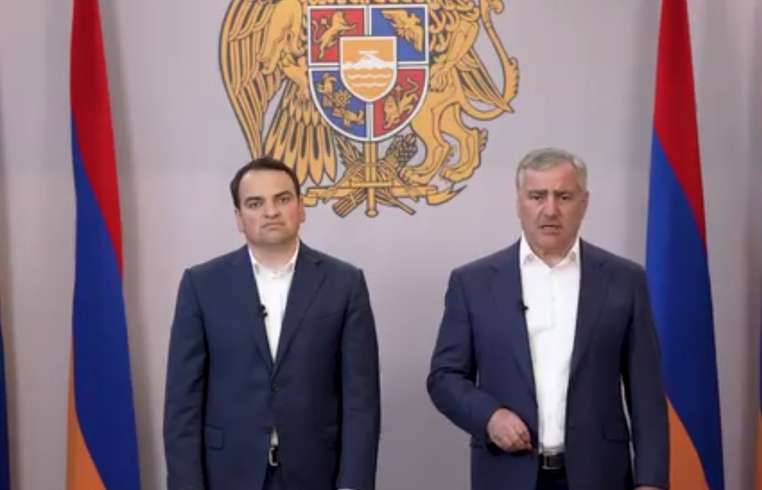
In Armenia, parliamentary elections concluded with a historic voter turnout. Leading the 'Strong Armenia' block, Narek Karapetyan emphasized that the turnout reflects a critical challenge for the current Prime Minister Pashinyan. As of 5 PM, 48.92% of registered voters had cast their votes. Samvel Karapetyan, leader of the 'Strong Armenia' party, highlighted the necessity for electoral transparency, urging commission members and trustees to guarantee the accuracy of the vote tally, thus eliminating any scope for falsification. According to the Central Election Commission, Armenia's voter register includes approximately 2,504,000 eligible voters. Despite the substantial turnout, there is no legal threshold for minimum participation, meaning the elections stand valid regardless of voter turnout. Eighteen political entities participated in the elections, consisting of two blocs and sixteen parties, each needing to surpass a stipulated threshold: 4% for parties, 8% for blocs of two parties, and 10% for blocs consisting of three or more parties. Samvel Karapetyan declared in a video address that their victory is near but will require meticulous oversight to ensure fair election processes. These remarks came amidst Armenia’s ninth convocation elections, aiming to fill seats in the National Assembly. The political landscape in Armenia is dynamic, with the participation of diverse parties such as the Reform Party, the Democratic Party 'I am Against All,' the Meritocratic Party of Armenia, and others, each striving to make a significant impact. As the votes are counted, the strategic operations of political entities and the response to this electoral event will define Armenia’s future political trajectory.
About usyoo

Categories
Tags