

News - تتقدم وايمو إلى الأمام رغم التحديات الحضرية
Business Strategy
تتقدم وايمو إلى الأمام رغم التحديات الحضرية
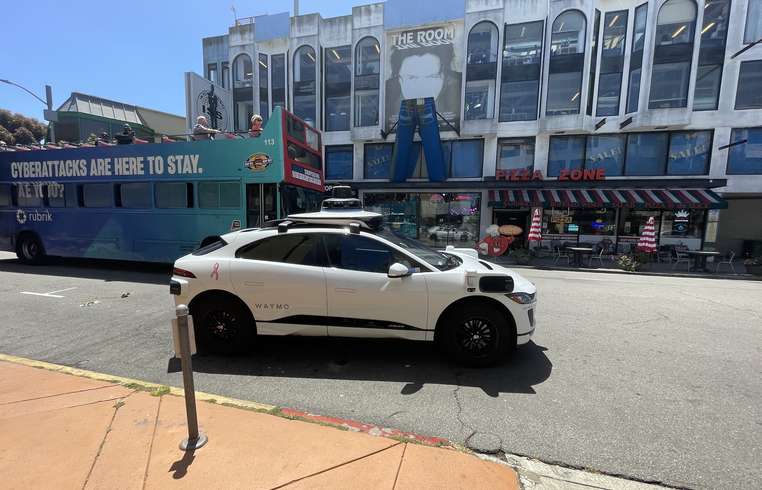
Waymo's autonomous vehicle fleet has navigated difficult challenges, including floods and construction zones this spring, yet the company remains undeterred in its pursuit of advancing self-driving technology. Having accumulated 170 million miles autonomously driven, Waymo has reported a remarkable safety record, achieving 13 times fewer serious injury-causing collisions than human drivers in the areas it operates. This achievement underlines the potential safety benefits of autonomous vehicles compared to traditional driving methods. Despite these successes, Waymo's journey is not without its hurdles. Inclement weather conditions such as floods have posed significant challenges, testing the resilience and adaptability of its technology. Additionally, urban environments characterized by ongoing construction create dynamic conditions that demand advanced navigation capabilities. As the company presses on, the continuous improvement of its technology is vital. Waymo's commitment to refining its systems ensures that it can handle increasingly complex urban environments. Meanwhile, the automotive industry in the United States shows signs of rebounding, with a notable increase in light-vehicle sales in May following a period of stagnation. Automakers are, however, confronted with international trade uncertainties and shifting policies, which force them to adapt strategically. In a global context, the automotive industry faces challenges due to tariff implementations and evolving market dynamics, compelling companies to adjust their operational strategies. Japan's Toyota, for instance, has pulled back on certain electric vehicle projects, reflecting a broader hesitation among some automakers towards aggressive EV expansion. Overall, while Waymo and its counterparts face an intricate landscape filled with both opportunity and adversity, the forward momentum of automated driving technology continues to capture the imagination of policymakers, industry leaders, and the public.
About usyoo

Categories
Tags