News - Heightened Defense Preparedness and Security Concerns in Estonia
Business Strategy
Heightened Defense Preparedness and Security Concerns in Estonia
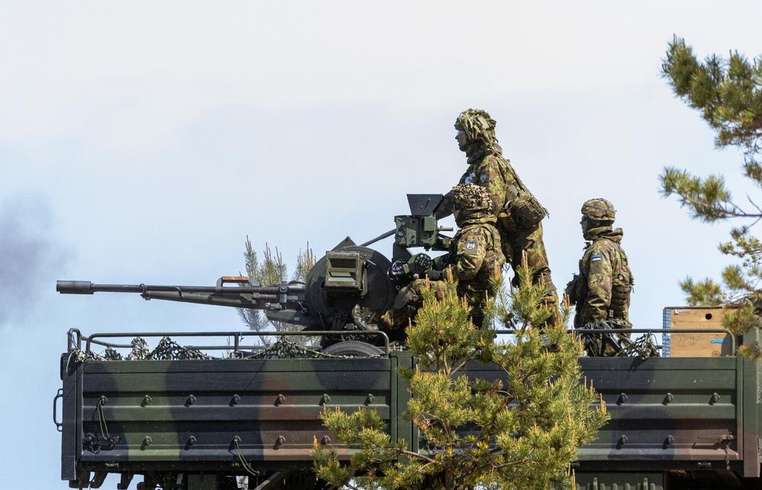
In a recent survey conducted by the Estonian Ministry of Defense titled "Avalik arvamus riigikaitsest," the prevailing sentiment among Estonians is a strong readiness to defend their nation coupled with significant concern about future security challenges. A substantial 81% of the population express their readiness to take up arms should Estonia face an attack, while 62% are willing to volunteer in defense-related activities. This commitment underscores the population's resilience, echoing a deep-seated trust in their national defense mechanisms and NATO, with 82% supporting the alliance membership. Despite this readiness, underlying anxieties about Estonia's long-term security are becoming increasingly apparent. While half of the respondents believe that Estonia can withstand aggression until NATO allies intervene, the nation is grappling with increased fears of misinformation and cyber threats—an area where 86% and 84% of the population, respectively, see significant dangers. Interestingly, although confidence in Estonia's immediate ability to fend off threats remains steady, there is a growing unease about the nation’s trajectory over the next decade. 33% anticipate worsening conditions concerning security, attributed largely to geopolitical tensions and evolving threats. This pessimism has been reflected in the tapering approval of NATO activities, dipping from 69% in 2023 to a projected 56% by 2026. Estonia's governmental and defense bodies are intensely focused on these emerging challenges. They are stepping up efforts in cyber defense and misinformation countermeasures, with ongoing enhancement of national and collaborative intelligence operations with NATO partners. The aim is not just to strengthen immediate response capabilities but also to foster optimism in long-term security strategies among the populace. The diverse spectrum of external threats emphasizes the necessity for robust, multi-faceted defense strategies, integrating advanced technology with international cooperation. Estonia remains vigilant, aware that sustaining public confidence and ensuring national safety require constant adaptation to dynamic global security landscapes.
About usyoo

Categories
Tags