News - Law Professor Claims Unjust Firing Over Social Media Posts
Business Strategy
Law Professor Claims Unjust Firing Over Social Media Posts
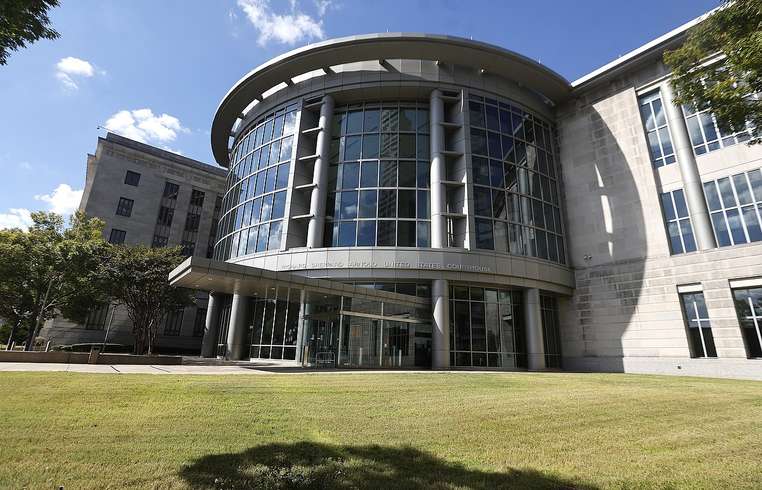
Felicia Branch, once an esteemed assistant professor at the University of Arkansas at Little Rock, has sparked significant discussions in academic and legal circles by filing a lawsuit over her dismissal, which she claims was an infringement on her First Amendment rights. The legal action has been taken against university officials and Arkansas Attorney General Tim Griffin, reflecting a complex interplay of academia, politics, and freedom of speech. Branch was let go following posts on social media surrounding the controversial death of conservative activist Charlie Kirk. On her personal Facebook account, Branch expressed her opinions in strong terms, critiquing Kirk's legacy and the manner of his death. Her remarks, she argues, were made in the capacity of a private citizen and were neither related to her professional role nor made on behalf of UALR. The lawsuit, lodged in Little Rock's federal court, highlights that UALR's reaction—terminating her employment—constituted a violation of constitutional rights, specifically her right to free speech. The complaint accuses university officials, including Dean Colin Crawford and Chancellor Christina S. Drale, of acting unlawfully by letting public outrage influence their decision-making. Complicating matters further, Arkansas Attorney General Tim Griffin is also named in the lawsuit, accused of inflaming the retaliatory atmosphere by his conduct, although he was not directly involved in the decision to fire Branch. Branch's legal representatives, Verona E. Swanigan and Pasquel Lee, argue that the social and political pressures have been improperly used to justify an extreme and unwarranted disciplinary action against Branch. The university's stance that her posts disrupted operations at the Bowen School of Law has been contested in the lawsuit as misleading and overstated. Despite a university panel later suggesting that a reprimand would have sufficed rather than a complete dismissal, the final decision by Chancellor Drale to uphold her termination points to the sensitive dynamics of navigating faculty conduct, public perception, and the boundaries of acceptable free speech. This case serves as a potentially precedent-setting exploration of free speech within public universities, examining the boundaries between personal expression and professional conduct. It seeks to address the tension between individual rights and institutional response to external pressure, an issue increasingly significant in today's politically charged climate. Branch is seeking either reinstatement to her former role or equivalent compensation and is pursuing damages for what she sees as violations of her constitutional rights by the defendants. This legal battle is poised to challenge how public institutions mediate faculty speech and personal opinion in a world where public and private lines are increasingly blurred.
About usyoo

Categories
Tags