

News - U.S. inflation surges as financial squeeze tightens
Business Strategy
U.S. inflation surges as financial squeeze tightens
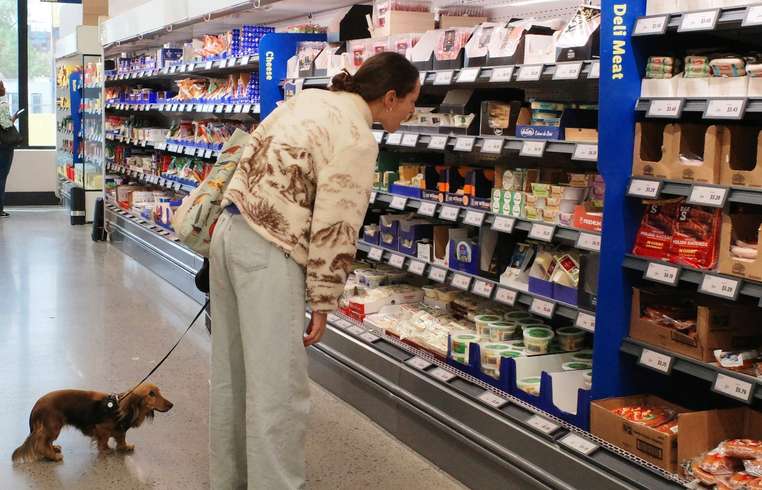
In April, a key indicator of U.S. inflation, the personal consumption expenditures price index, surged to 3.8% – its highest in three years. This inflationary spike intensifies the financial challenges facing American families, with the pressure building just months ahead of the pivotal midterm elections. Although month-to-month prices rose by 0.4%, a slight easing compared to March's 0.7% increase, these figures are still well beyond the Federal Reserve's 2% target. The impact is evident across multiple sectors, as groceries, clothing, and electricity costs climb, signaling a broader spread of inflation. Core inflation, excluding food and energy, also rose by 3.3%, reaching levels unseen since late 2023. This inflationary trend is causing concern among Federal Reserve officials, who now grapple with whether to keep interest rates steady, cut them, or even raise them further if these trends persist. American households are already feeling the pinch, with no change in personal income from March to April, according to the Commerce Department. After adjusting for inflation, incomes effectively dropped by 0.1%, reducing purchasing power despite steady paycheck amounts. Consumer expenditures did see a 0.5% increase in April, mainly reflecting rising prices since inflation-adjusted spending showed only a slight 0.1% uptick, down from 0.3% in March. This suggests consumers are spending more without acquiring more goods or services. Experts like Joe Brusuelas, chief economist at RSM, warn of growing financial stress within American households and forecast slower spending into May as inflation nears a peak, exacerbated by significant supply disruptions. Fuel prices provide a stark example, with AAA reporting a national average of $4.43 per gallon, climbing from $2.98 just before the start of the Iran conflict, fueling consumer frustration. Compounding the financial strain are increased service costs, including dental, automotive, and veterinary expenses, alongside rising clothing, toy, and grocery prices. Meanwhile, electric rates have spiked compared to last year. The technological sector is adding another layer to inflationary pressures. Investments in AI data centers are driving up costs for technology equipment and software, further entwining these advancements with broad economic debate. The broader economic scene shows signs of fatigue. GDP grew at 1.6% annually from January to March, a downward revision from a previously estimated 2%, though still stronger than the 0.5% growth during the early 2025 government shutdown. These indicators collectively paint the picture of a modest economy struggling against rising costs.
About usyoo

Categories
Tags