

News - Texas GOP Runoff Signals Shift in Party Dynamics
Business Strategy
Texas GOP Runoff Signals Shift in Party Dynamics
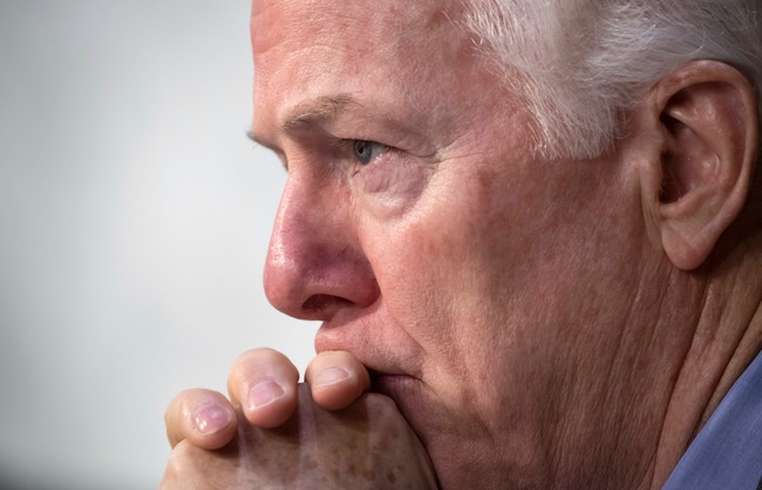
In a surprising turn of events, long-serving Texas Senator John Cornyn was decisively defeated in the state's Republican runoff by Texas Attorney General Ken Paxton, who secured nearly 64% of the vote. This outcome serves as a stark indicator of changing winds within the GOP. Once regarded as a bastion of seniority and influence, Cornyn's lengthy tenure wasn’t enough to withstand the internal revolution stirred by Trump’s new GOP ethos that demands assertiveness and tenacity. What led to Cornyn's significant downfall? It seems his alignment with what is perceived as establishment politics, prioritizing bipartisan goodwill over staunch conservatism, has become a liability rather than an asset in today's political landscape. The concept of 'compassionate conservatism,' once embodied by past figures like George W. Bush, is now seen as a conciliatory stance rather than a pragmatic strategy, leading to accusations of compromising conservative values. During Bush’s presidency, such an approach was often viewed as yielding too much without substantial reciprocal gains from Democrats. The Trump era has redefined what it means to be a Republican, pivoting from negotiation to an unflinching defense of conservative principles. In this context, Paxton’s victory isn’t merely a personal win but a broader statement from the rank-and-file GOP members demanding change. The implications are notable in legislative efforts like the SAVE America Act, which, despite bipartisan support, faltered in the Senate. The failure to advance such initiatives highlights the frustration among Republicans who feel encumbered by procedural traditions like the filibuster, which many believe the Democrats would abolish when convenient. Liberal media outlets like Politico have lamented Cornyn's exit, suggesting it will exacerbate partisan divides on contentious issues like immigration and gun control. However, critics argue that true bipartisanship has been elusive, with Democrats rarely compromising on conservative priorities. The election results and subsequent reactions elucidate a clear message: the Republican base seeks representatives who will stand firm, reflecting a broader ideological shift within the party. Establishment figures might need to recalibrate their strategies to remain relevant in a political environment increasingly less forgiving of perceived compliance with opposition forces.
About usyoo

Categories
Tags