News - Serve Robotics: Revolutionizing Delivery with Autonomous Solutions
Business Strategy
Serve Robotics: Revolutionizing Delivery with Autonomous Solutions
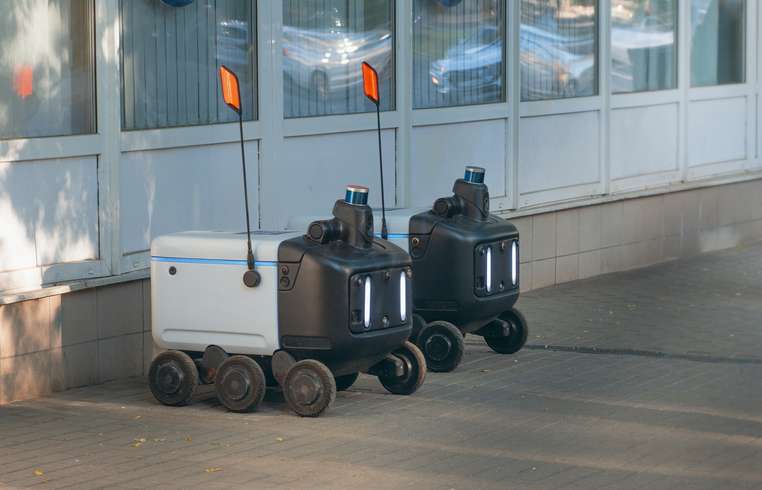
Serve Robotics, a company with a modest market capitalization of $680 million, is making waves in the logistics industry by leveraging autonomous technology to revolutionize last-mile deliveries. With an eye on the burgeoning $450 billion logistics market anticipated by 2030, Serve has developed Gen3 autonomous robots that are already in operation with major food delivery platforms like DoorDash and Uber Eats. This innovation has led to an impressive 578% year-over-year revenue increase in the first quarter. The cost of delivering food from restaurants to consumers could drop significantly, from up to $10 to just $1 per delivery, thanks to Serve's advanced AI-driven robots. These robots, powered by Nvidia's Jetson Orin platform, are capable of achieving Level 4 autonomy, allowing them to navigate sidewalks without human intervention. Serve has deployed 2,000 robots across 20 U.S. cities to date. In a major strategic move, Serve acquired Diligent Robotics, expanding its technological capabilities and geographical presence. Diligent's robot Moxi, also Nvidia-powered, is designed for hospital environments, enhancing operational efficiency by handling routine transport tasks. This acquisition has enabled Serve to enter the healthcare market and expand to 44 U.S. cities, with plans to go global by 2026. Despite impressive growth, Serve faces significant financial challenges. Its operating expenses outpaced revenue, resulting in a $49 million net loss in the first quarter. With cash reserves of $197.4 million, the company must achieve sustainable financial health soon. Dilution of shares through equity sales is a potential risk for investors. While Serve's stock currently trades at a high price-to-sales ratio compared to industry standards, the company projects significant revenue growth in the coming years. Analysts predict that Serve's revenue could triple by 2027, potentially rewarding long-term investors willing to tolerate short-term turbulence. Investors should approach Serve Robotics as a high-risk, high-reward opportunity. While the company is at the forefront of integrating robotics into delivery services, its ability to scale effectively in a nascent industry remains uncertain. As such, shareholders should consider maintaining a diversified portfolio to manage risk effectively.
About usyoo

Categories
Tags