News - Global Alert: New Ebola Outbreak in Central Africa
Business Strategy
Global Alert: New Ebola Outbreak in Central Africa
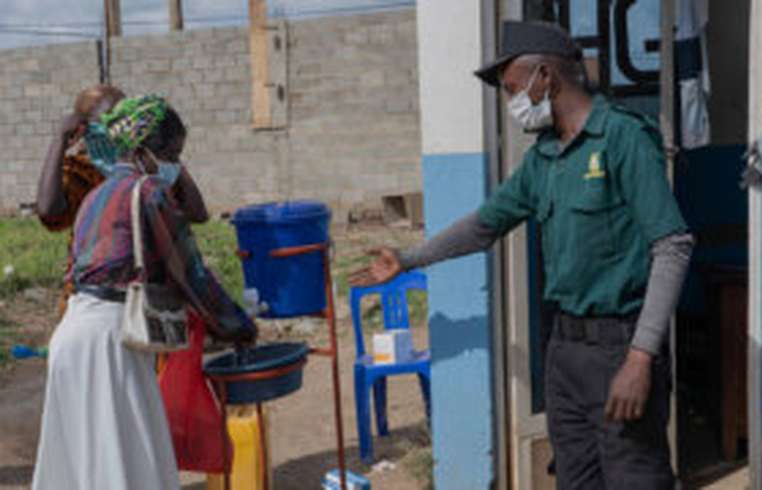
A severe outbreak of Ebola has emerged in central Africa, sparking a global alert as nations rush to contain the disease. This outbreak is concentrated in the Democratic Republic of the Congo, a nation with over 109 million inhabitants. As of May 19, Congolese health officials have reported an alarming 136 possible fatalities linked to the epidemic and approximately 543 cases of infection. This development has led to swift international measures to halt the proliferation of this deadly virus beyond its current borders. The current situation in Congo is reminiscent of previous Ebola crises, stirring worldwide concern due to the virus's high mortality rate and potential for widespread diffusion if not immediately curtailed. Health organizations, both local and global, are scaling up their emergency response to control the outbreak. Efforts include deploying medical teams equipped with vaccines and protective gear, conducting rigorous contact tracing, and implementing strict health protocols in affected regions. Neighboring countries have heightened border controls to deter the disease from crossing into new territories. Meanwhile, researchers are keenly monitoring the genetic sequencing of the virus to identify any mutations that might influence its transmission patterns or resistance to existing medical treatments. Public education campaigns have intensified to inform communities about effective hygiene practices and precautionary measures. The international community continues to emphasize the importance of rapid intervention, fostering collaboration between nations, and providing essential resources to the Congo. The global health landscape is on edge as the world watches and waits to see how the Ebola situation unfolds. The priority remains to isolate and treat cases efficiently to avoid a repeat of past epidemics that left indelible marks on affected regions.
About usyoo

Categories
Tags