

News - Gibraltar's Macaques Adopt 'Fast Food Soil Diet'
Business Strategy
Gibraltar's Macaques Adopt 'Fast Food Soil Diet'
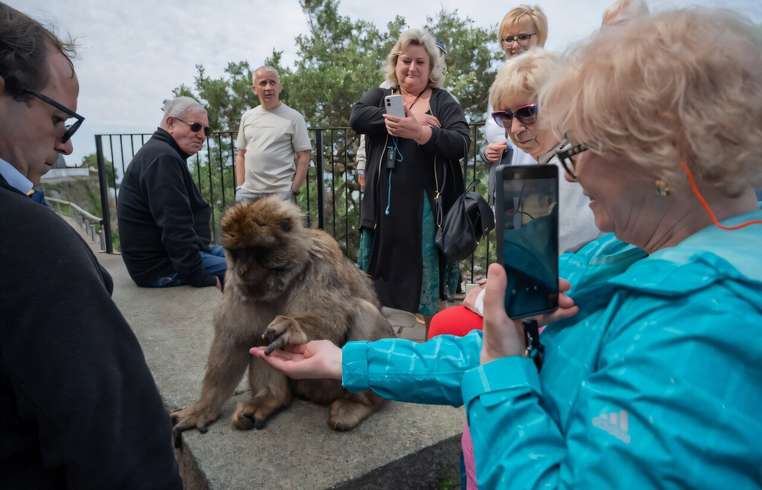
In Gibraltar, researchers have observed a new dietary adaptation among the region's famous macaques due to the overwhelming tourist presence. These primates have begun eating soil to balance their diets, heavily influenced by the fatty foods discarded or offered by tourists, such as chips and ice cream. This behavior, known as geophagia, is considered a response to neutralize the excess oils and toxins found in human food. The macaques were seen regularly consuming soil, particularly during peak tourist seasons when the availability of such food increases significantly. Tourists contribute significantly to the diets of these macaques, whether intentional or through reckless disposal of food waste. Such missteps by visitors have drawn these primates towards an unintended dependency on fast food, forcing them to seek natural remedies to counteract any health risks. Soil consumption appears to be a learned behavior among the troop, with younger macaques quickly following the lead of their elders once the benefits are demonstrated. According to the AFP report, this behavior underscores the complex social and survival strategies these animals employ. Also noted are aspirations by conservationists and local authorities to mitigate these changes in feeding habits. Educational campaigns, urging tourists to responsibly handle food waste and interactions with the macaques, have been initiated. They aim to reduce the reliance of macaques on non-natural food sources, encouraging a return to healthier foraging habits. Despite these efforts, the tendency of young macaques to mimic the observed behavior suggests a potentially lasting change in feeding practices. Moreover, studies indicate that geophagia in these macaques not only serves a dietary corrective function but also showcases a larger issue of wildlife adaptation to human presence. As fast food residues accumulate in the macaques' environment, their reliance on soil as a dietary supplement becomes more pronounced, demonstrating a unique form of social learning and adaptation among these primates. This phenomenon sparks broader discussions about human impacts on wildlife and underlines the need for responsible eco-tourism practices. By fostering understanding and respectful interaction, the delicate balance of Gibraltar’s macaques and their habitat can be preserved.
About usyoo

Categories
Tags