

News - Michigan plans to reform the process of selecting candidates with a new proposal.
Business Strategy
Michigan plans to reform the process of selecting candidates with a new proposal.
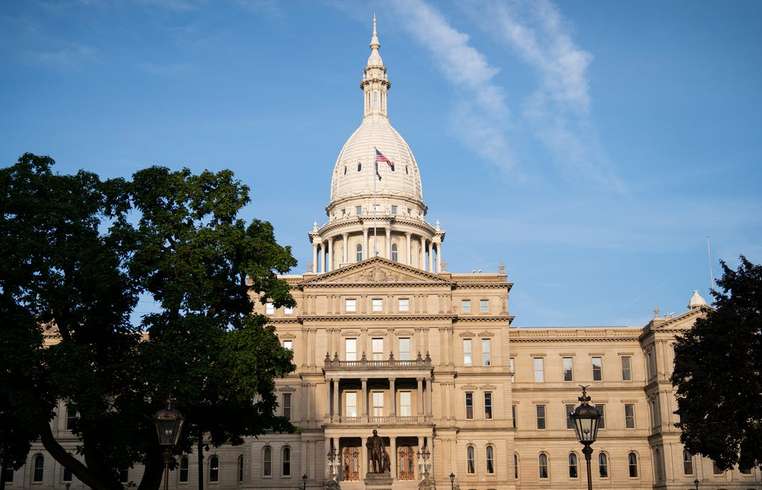
In Michigan, a pivotal legislative initiative is underway that could profoundly change how candidates are nominated for several key state offices, including attorney general and secretary of state. Traditionally, these nominations have been decided by party delegates at endorsement conventions, setting Michigan apart as one of the few states utilizing this method. Now, a bipartisan effort is seeking to shift these nominations to the public primary elections, theoretically broadening the pool of potential candidates and increasing democratic participation. Introduced by Reps. Greg Markkanen, R-Hancock, and Joe Tate, D-Detroit, a joint resolution, along with its Senate counterpart proposed by Sen. Ed McBroom, R-Waucedah Township, advocates for a voter-driven primary process akin to that of selecting candidates for governor or U.S. Senator. The initiative also proposes that the governor gains the power to appoint board members to Michigan's prestigious public universities: the University of Michigan, Michigan State University, and Wayne State University. This move comes in the wake of growing discontent with the existing convention system, where delegates recently gathered to make endorsements, amid concerns over transparency and inclusivity of the process. Champions of the new resolution argue it would open the doors to a more diverse range of candidates who might shy away from the insider-dominated convention scene. To become a reality, the proposal needs a two-thirds legislative majority, an attainable but tight timeline given the June 5 deadline to place a question on the August primary ballot. Lawmakers are operating under pressure, as the upcoming Detroit Regional Chamber’s conference means limited legislative sessions before this deadline. However, supporters have expressed willingness to aim for the November ballot if August proves unrealistic. As stakeholders navigate these legislative contours, the initiative has also caught the attention of the Voters Not Insiders group, underscoring its popular support. Furthermore, the resolution suggests a comprehensive overhaul in university board appointment processes too, replacing elected positions with gubernatorial appointments, thus aligning these institutions more closely with others in the state. It is an endeavor steeped in the principles of democratizing governance and ensuring merit-based selections. Gov. Whitmer, whose term will conclude as per limits, along with her eventual successor, would play key roles in these transitions, as board compositions are adjusted to comprise nine members each serving extended terms. The proposals are a part of robust ongoing dialogues and strategic political wrangling, setting the stage for potential seismic shifts in Michigan's political landscape, awaiting the necessary legislative endorsement to push forward.
About usyoo

Categories
Tags