News - Cautious Applause: Hamaguchi Ryusuke Discusses Cannes Response
Business Strategy
Cautious Applause: Hamaguchi Ryusuke Discusses Cannes Response
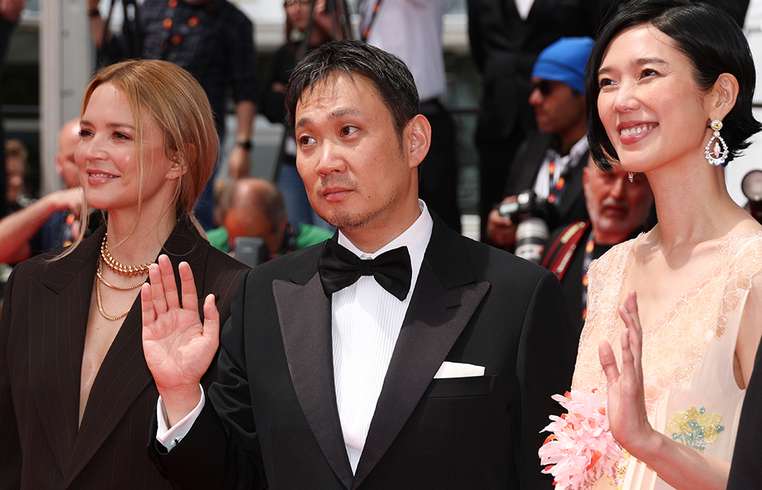
In the glitzy realm of the Cannes Film Festival, where films transition into revered classics overnight, Japanese director Hamaguchi Ryusuke stands as a beacon of measured skepticism. His latest cinematic opus, 'All of a Sudden,' has captivated audiences and critics alike, garnering an extensive standing ovation. Yet, Hamaguchi approaches this reception with a discerning eye, cognizant of the traditions that envelop such displays of admiration. A standing ovation at Cannes can be a double-edged sword. While for many it signifies a film's triumphant ascension into the echelons of greatness, Hamaguchi perceives it with an analytical mindset, delving deeper into the subtleties of audience engagement. In an evocative interview with Variety, he sheds light on his internal dialogue—one that navigates the intricate dance between cultural customs and genuine acclaim. Originating from Japan, a nation with its unique approach to cinematic expression, Hamaguchi is no stranger to applause that echoes beyond mere formality. The director acknowledges the impact of cultural expectations on audience reactions, distinguishing between appreciation and the ceremonial aura of standing ovations. 'All of a Sudden,' a film grounded in profound thematic exploration and narrative depth, drew its inspiration from literature that Hamaguchi personally cherishes. His adaptation process is sensitive to the essence of the original material, translating written word to moving images with meticulous care. What moved him was the intimacy found within the pages—the very essence he sought to preserve on screen. At Cannes, as the applause swelled to a crescendo, Hamaguchi absorbed the atmosphere not with premature pride, but with a reflective gaze. He states, 'The ovation is a tradition, a customary part of the festival. My aim was not predefined applause, but a genuine connection to the story.' His portrayal of restraint amidst accolades reveals an artist whose true reward lies in the authenticity of engagement his film fosters. Ultimately, Hamaguchi's introspective approach speaks to the broader narrative of art and reception. In the ever-evolving landscape of cinema, where premieres are milestones pressured by commercial success, his emphasis remains undeterred. It lies in the nuanced understanding that distinguishes ritual from reality, spectacle from sincerity. Whether 'All of a Sudden' ascends further in its journey alongside diverse audiences globally remains a story unwritten. Yet, Hamaguchi's vigilance in the face of traditional applause ensures that each ovation is appraised not merely by volume but by the resonance of its intent.
About usyoo

Categories
Tags