

News - Investigating UPS Cargo Plane Crash: Engine Detachment Inquiry Begins
Business Strategy
Investigating UPS Cargo Plane Crash: Engine Detachment Inquiry Begins
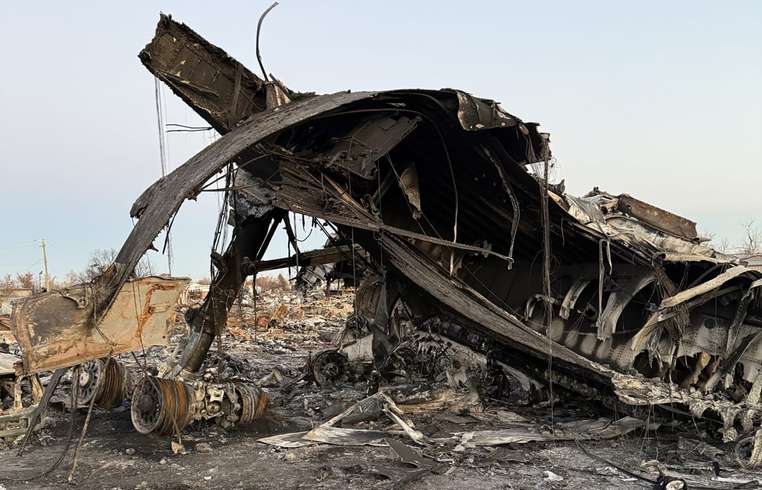
In a series of intense hearings, federal safety investigators will delve into the fatal UPS cargo plane accident that tragically took 15 lives. The crash, which occurred when an engine detached from an MD-11 aircraft during takeoff at Louisville's Muhammad Ali International Airport, is under scrutiny not only for the catastrophic failure but also for Boeing's response – or lack thereof – to known engineering flaws. The hearings come nearly a year after the tragic event, intending to unravel the complexities that led to the disaster on that fateful day. On a mission to Hawaii, laden with parcels and fuel, the UPS aircraft barely cleared runway perimeters before it plummeted into adjacent structures, igniting a fiery inferno. Photographs released by the NTSB vividly depict the moments leading to tragedy, showing the engine's violent detachment and the subsequent engulfing of flames. This calamity brings haunting echoes of the infamous 1979 DC-10 crash in Chicago, which similarly involved an engine falling off and resulted in 273 fatalities. The similarity in design and failure mode between the DC-10 and its MD-11 successor poses critical questions. Post-crash evaluations have uncovered structural cracks in engine attachment components, sparking concerns over maintenance efficacy and inspection schedules. The MD-11's compromised engine mounts had last been scrutinized in 2021, and a scheduled inspection was thousands of flight cycles away. A 2011 Boeing report acknowledged multiple engine mount failures in MD-11 history, yet no mandatory fixes were enforced until this recent tragedy. Only after this disaster has the FAA approved Boeing's updated protocol, which involves enhancing aircraft inspections and installing upgraded spherical engine bearings. This move has allowed certain MD-11s to resume operations. FedEx, adopting the new safety measures, has reinstated its MD-11 fleet for delivery services, whereas UPS seeks to retire their MD-11s. Meanwhile, Western Global remains undecided on their course of action regarding these controversial planes. The course of these hearings will likely shape regulatory and operational standards for cargo fleets worldwide, shedding light on safety assurance in aviation.
About usyoo

Categories
Tags