News - Ancient English Verse Discovered in Roman Manuscript
Business Strategy
Ancient English Verse Discovered in Roman Manuscript
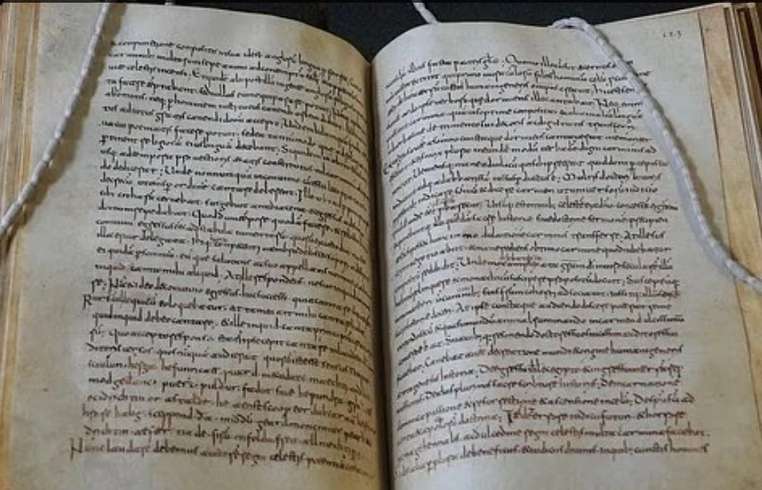
In a fascinating breakthrough for historical linguists and literary enthusiasts, researchers from Ireland have unearthed the oldest extant example of written English verse, 'Caedmon's Hymn,' preserved within a medieval manuscript. This significant discovery took place at the Rome National Library, where the ancient lines of poetry were found cleverly interwoven with Latin text. The manuscript itself, now made digitally accessible, hails from the 9th century, thus predating previously known examples of English poetic literature by three hundred years. 'Caedmon's Hymn' is a groundbreaking artifact providing invaluable insights into the linguistic transition and cultural interchange during the early Middle Ages. The embedded text not only reveals the widespread use and adaptation of the English language in this period but also highlights the significance of integrating vernacular traditions into the scholastic and religious manuscript cultures of Europe. The hymn, initially composed by an illiterate herdsman named Caedmon during the late 7th century, was historically transmitted orally before being penned down by monastic scribes. This manuscript, hitherto unknown for housing such a linguistic masterpiece, serves as monumental evidence of the cross-pollination of languages and ideas among monastic communities. Advocates of historical English studies recognize the broader implications of this find: it opens up potential reinterpretations of early English language dynamics, literacy, and literary evolution. The manuscript's conversion into a digital format has enabled scholars worldwide to delve into early medieval scriptoria without geographical restraints, fostering an era of expansive scholarly cooperation. This digital initiative not only preserves the text but allows for modern scientific techniques such as advanced imaging and linguistic analysis to further explore the manuscript's secrets. Historians anticipate that ongoing examinations may unearth additional fragments of early English literature, which could recalibrate the understanding of its formative stages. 'Caedmon's Hymn,' with its newfound recognition, is on course to redefine assumptions about pre-Norman English, its narrative styles, and its theological influences. The National Library of Rome now stands as a crucial locus for future discoveries, urging further excavations into their archival treasures. Witnessing this pivotal rediscovery inspires a re-awakening of interest and appreciation for ancient texts and the rich narratives they continue to construct centuries onwards.
About usyoo

Categories
Tags