
News - U.S. Ends Sanctions Waiver on Russian Oil Amid Global Tensions
Business Strategy
U.S. Ends Sanctions Waiver on Russian Oil Amid Global Tensions
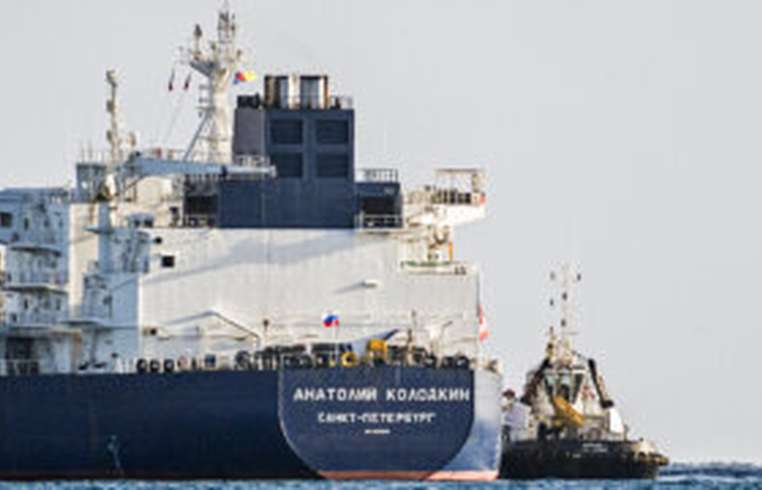
The expiration of the U.S. sanctions waiver on Russian oil marks a significant shift in international energy economics, with potential ripple effects across global markets. On April 17, the U.S. government chose not to renew the sanctions waiver initially granted to ease global energy pressures. This waiver permitted specific Russian crude oil shipments, already en route, to pass through international waters without invoking U.S. penalties. The decision to let the waiver lapse comes at a time of heightened tensions and complex geopolitics, notably driven by conflicts in the Middle East and increasing disruptions at the Strait of Hormuz. As one of the world's most crucial oil passageways, the Strait has been a focal point of energy security concerns, handling approximately 20 million barrels of crude and petroleum products daily before recent conflicts escalated. The U.S. Department of the Treasury's Office of Foreign Assets Control, which was responsible for the sanctions regime, evaluated the global energy landscape before making the decision not to extend the waiver. The initial introduction of the waiver aimed to stabilize markets that were being destabilized by conflicts and trade route disruptions. Industry analysts predict that the expiration of the waiver will tighten oil supply chains, potentially increasing volatility in oil prices and heightening the geopolitical stakes linked to oil-rich regions. The move is also seen as part of broader U.S. efforts to exert maximum economic pressure on Russia while aligning with allied nations concerned about energy dependence and security. The expiration of the waiver puts pressure on international traders and governments to find alternative pathways and strategies to manage their energy needs, amidst an already challenging global political climate. It highlights the deep interconnections between geopolitical conflicts and energy market dynamics, with countries globally watching closely how these developments will unfold.
About usyoo

Categories
Tags