
News - Antarctica is experiencing an unprecedented decline in sea ice.
Business Strategy
Antarctica is experiencing an unprecedented decline in sea ice.
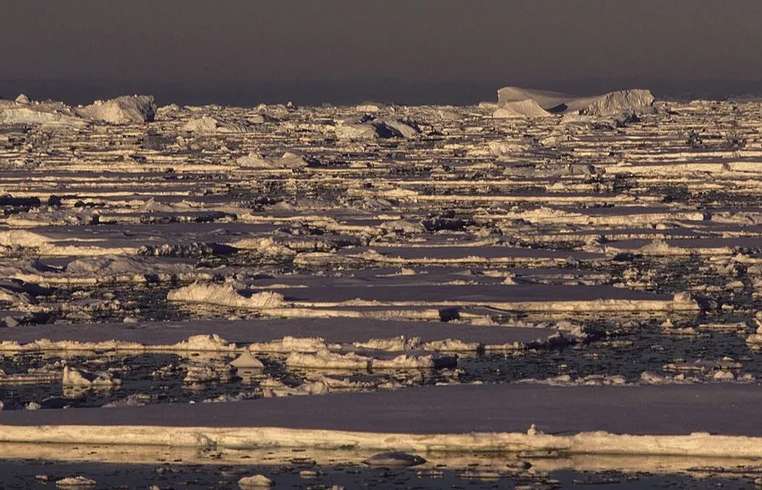
In an unexpected shift, Antarctica is witnessing a dramatic decrease in sea ice levels. Research conducted in early 2023 points to a significant environmental change after decades of stable sea ice that had baffled scientists. This stability had made Antarctica a vital counterpoint to the declining Arctic ice. However, recent studies, including those published in Science Advances, indicate that stronger winds in the Southern Ocean, potentially driven by climate change, have played a pivotal role in this transformation. These intensified winds have driven colder surface waters away from the continent, consequently drawing warmer and saltier waters to the surface. This effect has accelerated the melting of the Antarctic sea ice. The change in the ocean dynamics is not only reducing the extent of sea ice but also impacting its capacity to reflect sunlight, thus contributing to further warming and altering global climate patterns. Previously observed sea ice records showed stability from the mid-20th century until around 2015 when subtle changes began to surface. By 2023, frameworks that previously explained Antarctic sea coverage began to shift drastically. Researchers are urgently exploring this phenomenon, questioning long-term global implications and regional environmental impacts. If current trends continue, it could lead to shifts in ocean circulation patterns, impacting weather systems as far-reaching as those in Australia and South America. The findings underscore the delicate and interconnected nature of Earth's climate systems. The observed reductions in Antarctic sea ice could exacerbate global sea level rise, potentially affecting millions living in coastal areas worldwide. For policymakers and environmentalists, these revelations mark a critical moment in the global debate on climate action. As part of a broader narrative, the Antarctic sea ice's decline forms one chapter in the larger story of our planet's changing climate. The cooperative effort of nations to understand, mitigate, and adapt to these changes has become urgent, as inaction could lead to irreversible climatic and ecological disruption. As research progresses, scientists remind the world that solutions remain in reach if actions are informed and timely.
About usyoo

Categories
Tags