
News - Prince Andrew's New Seclusion: Financial Strategy or Royal Exile?
Business Strategy
Prince Andrew's New Seclusion: Financial Strategy or Royal Exile?
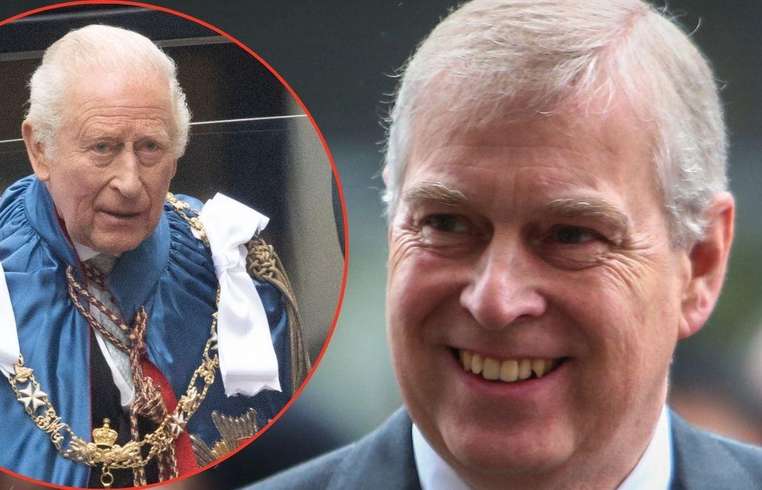
Amid scandal and financial strategy, Andrew Windsor, now settling at Marsh Farm on King Charles' Sandringham estate, faces a reality shaped by both financial imperatives and the need for privacy. At 66, the disgraced former prince vacated Royal Lodge, his past Windsor residence, relocating on Easter Monday. Marsh Farm, situated 1.5 miles from Sandringham House on King Charles' vast 20,000-acre Norfolk estate, could suggest further ostracism linked to the Jeffrey Epstein scandals. However, insiders illuminate practical and economic specifics driving the relocation. A royal source candidly suggests that Charles' focus on capitalizing Sandringham's properties had as much to do with Andrew's move as the need to shelter him from public view. "Speculation thrives around Andrew's new home, yet the underlying causes are pragmatic," the source stated. "Charles is laser-focused on ensuring Sandringham's commercial viability, repurposing proximal estate properties either for substantial revenue through rentals or for senior royals." Another insider knowledgeable about Sandringham operations explains Marsh Farm arose as the optimal choice for Andrew's privacy wishes, coupled with Charles' strategies for distancing him from estate life. "Andrew wanted profound seclusion, free from incessant surveillance and public encroachment," remarked the insider. "Properties near Sandringham House bustle with tourists and visitors, exacerbating risks of intrusion. King Charles' strategic estate management echoes increased scrutiny on royal finances, crafting profitable ventures around Sandringham. Notably, Gardens House, near Sandringham House, doubles as a high-earning Airbnb property, unavailable for Andrew's lengthier residential needs. "The estate management balked at shelving one of Sandringham's lucrative rentals to house Andrew long-term," noted one insider. "Charles' financial wisdom dictates maintaining efficiency and substantial income from royal estates." Proximity issues flagged York House, while The Folly continued commercially as a holiday rental. Park House, Diana Princess of Wales' childhood home, was excluded due to needed repairs. Pre-occupancy, Marsh Farm was extensively renovated for comfort, reflecting $40 million Royal Lodge nuances. Noteworthy fixes enlisted reputable firms like Linney Cooper, famed for royal projects in Buckingham Palace. Security installations include enhanced fencing, access control, and advanced surveillance, fortifying Andrew from further public scrutiny.
About usyoo

Categories
Tags