

News - Notorious 'Deadpool Killer' Wade Wilson: The Crime and Its Aftermath
Business Strategy
Notorious 'Deadpool Killer' Wade Wilson: The Crime and Its Aftermath
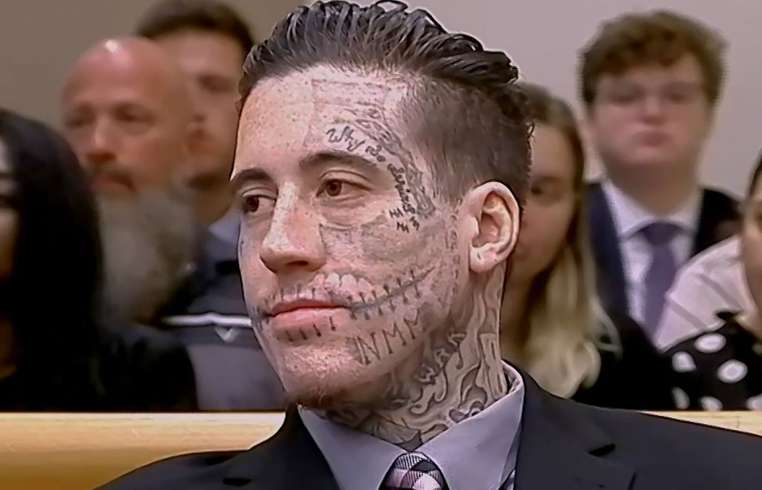
Wade Wilson, infamously known as the 'Deadpool Killer,' has captured public and media attention following his conviction for the gruesome murders of Kristine Melton and Diane Ruiz in Cape Coral, Florida. His narrative, detailed in Paramount+ and Netflix docuseries, explores his unsettling transformation from a charming figure to a convicted murderer and the subsequent social media phenomenon. On October 7, 2019, Wilson's night began innocuously at a bar where he met Melton, leading to a tragic series of events later that night. After becoming intimate, Wilson's demeanor shifted, culminating in Melton's strangulation and his escape in her vehicle. The same morning, Wilson's violence spilled over to his then-girlfriend, Mila Montanez, concluding in Diane Ruiz's horrific attack involving kidnapping and vehicular assault. His lack of remorse became evident through disturbing recordings where he described his actions with chilling nonchalance. Arrested with the aid of his biological father, Wilson showed no remorse during police interrogations, even hinting at a willingness to repeat his crimes. His trial in June 2024 ended with a death sentence, decided in August of the same year, highlighting the brutality and premeditated nature of his actions under six felony counts. The revelation of Wilson's crimes coincided with a bizarre ascent to internet infamy, fueled by his distinctive tattooed appearance and perceived charm. Social media fascination turned him into the 'Deadpool Killer,' drawing comparisons to the fictional antihero and spawning a controversial fan following. His case raises discussions on the intersection of true crime fascination and digital culture, depicted vividly in the documentaries that have since analyzed his story. Despite the gravity of his crimes, his execution date remains undetermined amid ongoing legal appeals against his death sentence.
About usyoo

Categories
Tags