News - Armenia's Balancing Act Between the EEU and the EU
Business Strategy
Armenia's Balancing Act Between the EEU and the EU
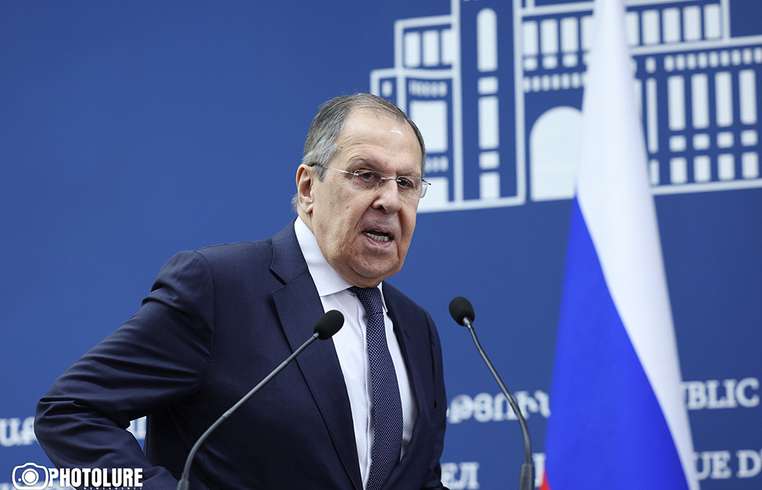
The foreign minister of Russia, Sergey Lavrov, has raised alarms over the potential risk Armenia faces in its advantageous economic ties with the Eurasian Economic Union (EEU) if it advances further integration with the European Union (EU). Lavrov suggested that Armenia's alignment with the EU could undermine the benefits it currently enjoys from its EEU membership, a matter expected to be a key topic at the upcoming High Eurasian Economic Council Summit in Astana later this month. Lavrov noted a strategic push by the EU to bring Armenia into its orbit, which poses potential challenges for the country’s engagements within the EEU. He stressed that these discussions would be crucial at the Summit, anticipated to address growing apprehensions within the bloc about Armenia's political and economic directions. There is an added complexity as Armenia’s Prime Minister, Nikol Pashinyan, has indicated he will not attend the summit in Astana due to commitments stemming from his electoral campaign. Lavrov expressed regret over the absence of direct Armenian high-level participation, underscoring the importance of dialogue in these fraught geopolitical times. Pashinyan, meanwhile, has reassured stakeholders that Armenia has no intention of moving against the EEU. Speaking on the matter, he emphasized the stability brought by Armenia’s current alliances and underscored that the nation's focus on European standards and reform would remain a parallel course without alienating current commitments. Armenian officials have reiterated their stance that there is no imminent agenda to withdraw from the EEU, even as the nation edges closer to European norms. This dual-track approach, as articulated by Pashinyan, suggests a future where Armenian citizens will ultimately be part of any significant decision about potential shifts in the country’s economic alliances. The dynamic relations between Armenia and the EU came into sharper focus when, in March 2025, Armenia's parliament approved steps to align more closely with the EU, a strategic move ratified by the president the following month. This commitment was further solidified in December 2025 with Armenia and the EU approving a strategic partnership agenda focused on democratic reforms and economic resilience, highlighting Armenia's autonomous stance in global geopolitics.
About usyoo

Categories
Tags