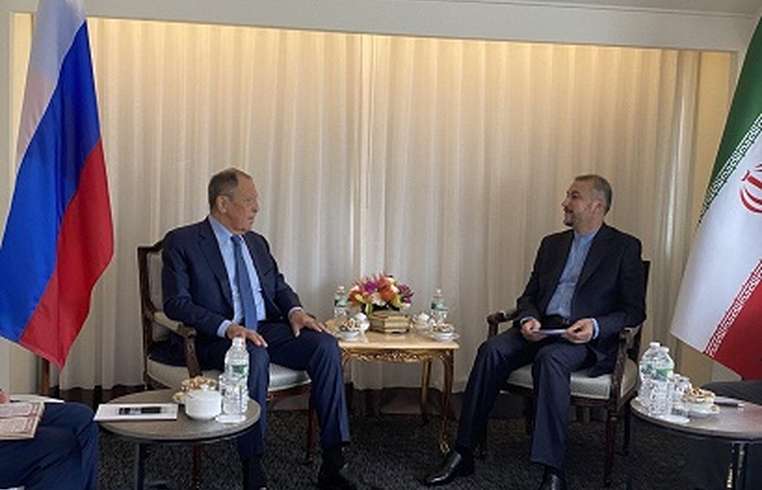
News - US Rejects Iran's Peace Proposal Amidst Regional Tensions
Business Strategy
US Rejects Iran's Peace Proposal Amidst Regional Tensions
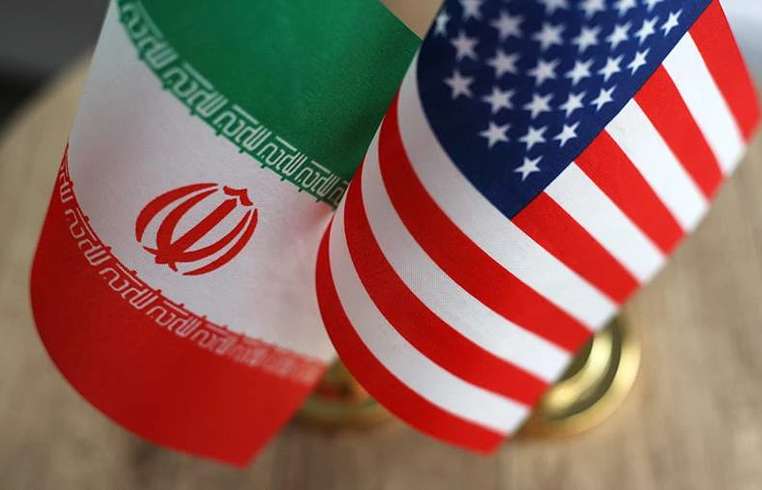
In a recent development, the United States has rejected a comprehensive 14-point proposal presented by Iran aimed at mitigating ongoing tensions in the region. The proposal, announced through Iran’s Mehr News, highlighted Iran's willingness to end military hostilities, contingent upon initiating nuclear negotiations should its stipulations be met. Central to Iran’s demands were the cessation of international military operations nearby, lifting of economic sanctions, and acknowledgment of Iran's sovereignty over strategic areas such as the Strait of Hormuz. This strategic waterway holds global importance due to its role in oil transportation. The US, while open to negotiations under certain terms, perceives Iran's proposal as reflective of broader geopolitical motives, and continues to maintain a firm diplomatic and economic pressure stance. Reports indicate that despite the US rejection, President Trump expressed openness to drafting a more favorable deal but emphasized it must align with broader international security assurances and a verifiable reduction in Iran's nuclear ambitions. Observers note the refusal underscores a complex web of trust and verification concerns, deeply rooted historical grievances, and competing regional hegemonic aspirations. The situation remains precarious as both nations maintain resilience in their respective foreign policy approaches, casting a long shadow over regional stability.
About usyoo

Categories
Tags